Orionid Meteor Shower 2026: Website Checklist for Local Tourism Businesses
A practical website checklist for tourism businesses preparing for possible Orionid meteor shower visitor inquiries in 2026.
Prepare your website for possible Orionid visitor interest
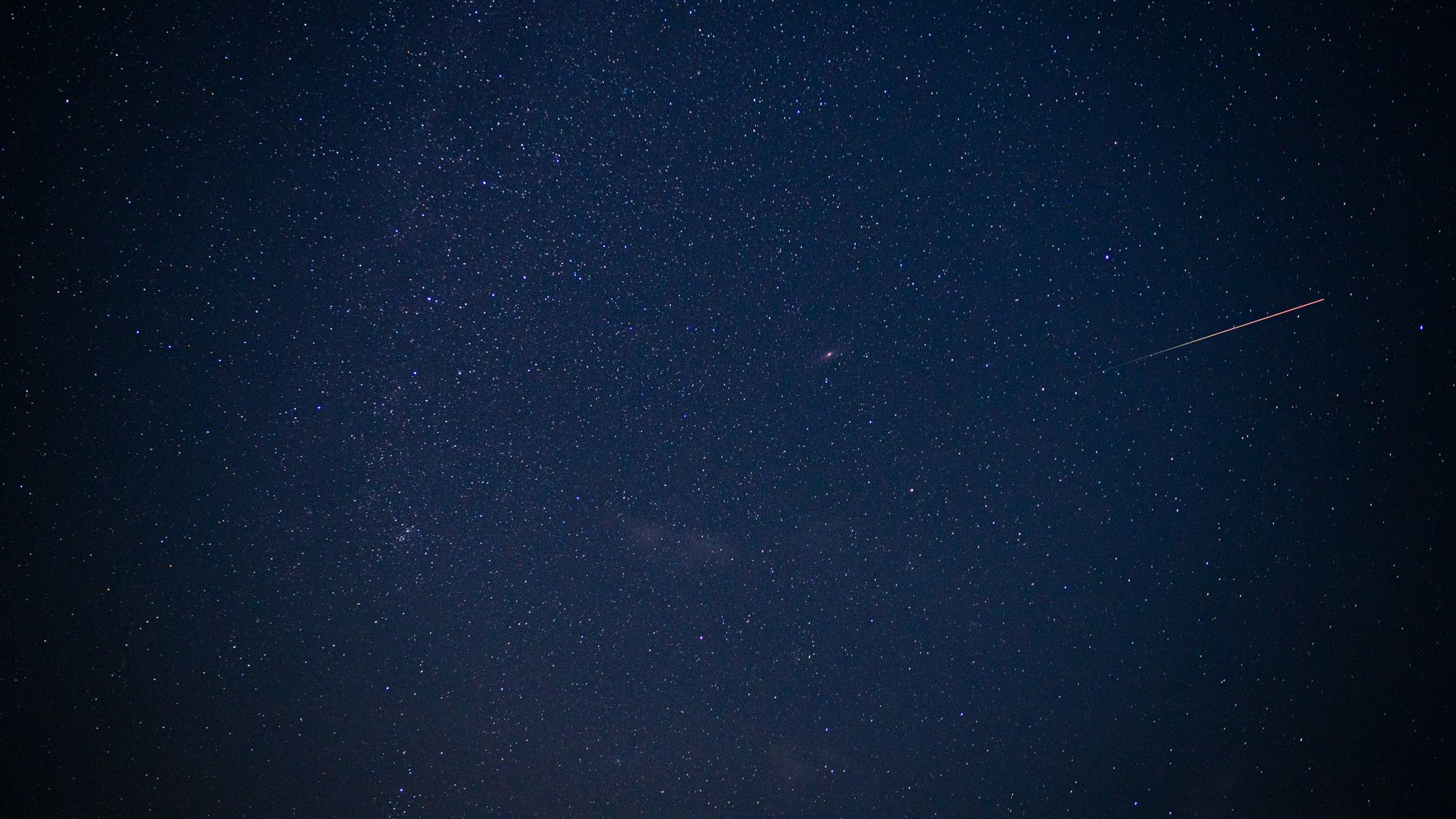
The 2026 Orionid meteor shower is receiving national viewing coverage, including guidance on seeing the event and regional cloud-cover conditions. The Orionids are associated with debris from Halley’s Comet, according to The New York Times. Weather can materially affect visibility, as reflected in Weather.com’s regional cloud-cover forecast.
For hotels, vacation rentals, campgrounds, restaurants, guides, and tour operators near dark-sky areas, that attention may lead some prospective guests to look for practical local answers: Where can they stay? Is there parking? Will the restaurant be open late? What happens if clouds interfere with viewing?
The event does not guarantee more bookings or inquiries. But businesses that could be relevant to meteor-shower visitors should make their websites clear before questions arrive.
Table of contents
- Start with verified event information
- Publish the details visitors actually need
- Make weather limitations clear
- Set expectations for safety, access, and parking
- Prepare reservations and inquiry handling
- Use an event page without overpromising
- Check mobile pages and local listings
- A final Orionid website checklist
Start with verified event information
Do not publish generic astronomy copy just because the Orionids are in the news. Visitors need details that apply to your location and business.
Before adding meteor-shower content, verify:
- The relevant viewing dates for your area
- Any recommended viewing window you choose to mention
- Whether your property is open during those hours
- Whether your location is actually suitable for nighttime use
- The distance and route to any legitimate public viewing area
- Current weather and cloud conditions close to the event date
Avoid claiming that guests will see meteors, that your property has ideal viewing conditions, or that you are an official viewing site unless you can substantiate those statements.
A simple, accurate message is often more useful:
The Orionid meteor shower may be visible in the area, subject to local weather, cloud cover, darkness, and viewing conditions. Please check current forecasts before making plans.
If you mention dates or recommended times, identify where the information came from and review it before publishing. Event details can be location-specific, and a national article is not a substitute for local verification.
Publish the details visitors actually need
A meteor-shower visitor may be planning an overnight stay, a late meal, a guided outing, or a place to wait before heading to a public viewing area. Your website should answer the operational questions that determine whether your business fits their plans.
For hotels, inns, and vacation rentals
Add a short Orionid notice to the relevant lodging page or local guide page. Include:
- Your address or general location
- Whether overnight parking is available
- Check-in instructions for late arrivals
- Whether late check-in is possible
- Quiet-hours rules
- Outdoor-area access rules
- Whether exterior lights can or cannot be reduced
- The distance to verified public viewing areas, if applicable
- Your cancellation and modification policy
Do not imply that a balcony, patio, lawn, or parking area is a viewing site if it is not designed or permitted for that purpose.
If your property has no safe outdoor gathering area, say so plainly. It is better to direct guests toward appropriate public options than to create confusion at arrival.
For campgrounds and outdoor accommodations
Campgrounds may receive questions about campsites, gates, after-hours access, fires, bathrooms, lighting, and vehicle movement. Create a concise event note that addresses the rules visitors are most likely to overlook.
For example:
- Is the campground open on the relevant dates?
- Are reservations required?
- Can guests arrive after the office closes?
- When do gates close, if applicable?
- Are day visitors permitted?
- Are campfires allowed under current conditions?
- Are restrooms available overnight?
- What is the policy on headlights, generators, noise, and pets?
Do not encourage people to park along roads, enter closed areas, or view from locations where they do not have permission to be.
For restaurants, cafés, and food businesses
People traveling to view an event may look for food before or after a late-night outing. If you expect to be open, publish the basics:
- Event-week hours
- Kitchen closing time
- Reservation availability
- Takeout or pickup availability, if offered
- Parking details
- Whether large groups should call ahead
- Any special menu or service limitation you have actually confirmed
A restaurant does not need to create an Orionid package to be useful. An updated hours page and a prominent reservation link may be enough.
For tour operators and activity providers
Only describe a meteor-shower experience if you genuinely offer one. Be precise about what customers are booking.
Clarify:
- Whether the activity is a guided tour, transportation, lodging add-on, or general local recommendation
- What the customer should bring
- Where the meeting point is
- Whether transportation is included
- What happens if weather limits visibility
- Whether the activity requires a minimum age, mobility level, or advance reservation
- Whether the guide provides astronomy interpretation, if that is truly part of the service
Do not use “guaranteed viewing,” “best place to see the Orionids,” or similar language unless you can support it.
Make weather limitations clear
Cloud cover can affect meteor-shower visibility. A useful tourism page should acknowledge that reality before a guest books, not only after they arrive.
Include a short weather statement near booking information:
Meteor visibility depends on weather, cloud cover, darkness, and other local conditions. Viewing is not guaranteed. Check the local forecast close to your visit.
Then link visitors to a relevant forecast source or direct them to check the forecast for your exact town or viewing area.
Your website should also distinguish between your business operating and the sky being clear. For example, a restaurant may remain open even if cloud cover prevents viewing. A campground may remain open while an outdoor activity changes or is canceled under its published policy.
If you offer a weather-sensitive tour or package, put the cancellation, rescheduling, credit, or refund policy on the same page as the event description. Do not make visitors hunt through a footer for the condition that matters most to their decision.
For more guidance on presenting weather-sensitive policies clearly, see How Kauai vacation rentals should update their websites after a hurricane.
Set expectations for safety, access, and parking
Meteor showers can encourage late-night travel, unfamiliar driving routes, and spontaneous viewing plans. Your website should reduce ambiguity rather than encourage risky behavior.
Include location-specific guidance such as:
- Use designated parking only
- Do not stop on road shoulders or block access roads
- Do not enter private property without permission
- Follow posted trail, gate, and property rules
- Bring appropriate clothing and lighting if visitors will be outdoors
- Confirm that guests can safely return to their lodging after dark
- Check current local weather and road conditions before traveling
Keep this practical. There is no need to portray every meteor shower as an emergency. The goal is to prevent guests from assuming that any dark roadside, field, or turnout is a suitable viewing spot.
If your business is near a public park, overlook, or observatory, link only to official access information you have verified. Do not send visitors to a place based on a vague social-media recommendation.
Prepare reservations and inquiry handling
If interest in the Orionids leads to more messages, the best response is not a complicated sales script. It is a consistent answer to the questions people are most likely to ask.
Create a short internal response template for staff:
Thanks for contacting us about the Orionid meteor shower. Our current availability is [availability]. We are located [distance or travel time] from [verified public viewing area, if applicable]. Please note that visibility depends on weather and cloud cover. Our current [late check-in / parking / hours / cancellation] policy is [link or brief policy].
Keep a single staff-facing document with:
- Confirmed hours
- Availability link
- Current parking instructions
- Approved weather language
- Cancellation-policy link
- Any event-specific restrictions
- The person responsible for updating the website if conditions change
Do not collect more personal data than needed when someone asks a basic availability question. If you use a contact form for booking leads, review which fields are necessary and how the information is handled. See Local business website lead form privacy checklist: what to review before publishing.
Use an event page without overpromising
A short dedicated page can help if your business has meaningful, accurate information to share. It can also give staff one link to send in replies.
A useful page structure might include:
Orionid meteor shower information near [your location]
Briefly explain that the Orionids are a current astronomical viewing event and that conditions vary by location and weather.
How our business fits into your visit
State only what you offer:
- Lodging near a public viewing area
- Late dining before a viewing trip
- Campsite reservations
- A confirmed guided activity
- Directions to your property and designated parking
What to plan for
List the verified operational details: hours, check-in, reservations, weather limitations, access rules, and cancellation terms.
Book or contact us
Use the same booking or inquiry path visitors see elsewhere on the site. Do not build a separate form that creates more work or causes missed messages.
This page should not imitate an astronomy authority. Its job is to help customers understand whether your business is a practical fit for their plans.
For a related framework built around another night-sky tourism event, read Northern lights website checklist for local tourism businesses.
Check mobile pages and local listings
Visitors planning a last-minute outing may be searching from a phone in a car, hotel room, campground, or airport. The critical details should be easy to find without zooming, scrolling through a large pop-up, or downloading a PDF.
Check these items on a phone:
- Hours display correctly
- The phone number is tap-to-call
- The address opens in a map app
- The booking button works
- Parking and late-arrival details are readable
- Cancellation information is accessible
- The event notice does not cover the reservation button
- Forms are short enough to complete on mobile
Your Google Business Profile should match your website’s hours, address, phone number, and any temporary updates. Learn more in Google Business Profile and your website: how they work together to get you found.
For broader mobile priorities, see Why your local business website has to work on a phone first.
A final Orionid website checklist
Before the event, confirm that your website has:
- [ ] Verified event details only, with no universal visibility promises
- [ ] A clear statement that weather and cloud cover can affect viewing
- [ ] Accurate lodging, dining, tour, or campsite availability
- [ ] Current hours, check-in details, and reservation links
- [ ] Parking and after-dark access information
- [ ] Clear rules for outdoor areas, gates, quiet hours, or day visitors
- [ ] A visible cancellation or weather-policy link
- [ ] Safety guidance against roadside stopping, trespassing, or unauthorized access
- [ ] A staff response template for common inquiries
- [ ] Matching information on your website and Google Business Profile
- [ ] A mobile test of every key booking and contact path
The Orionids may create timely interest in night-sky travel, but good website preparation is still about fundamentals: accurate details, transparent limitations, and a simple way for visitors to decide whether your business fits their trip.
Make event-driven updates easier to manage
A local-business website should make it straightforward to update hours, availability, policies, and location details when timely events affect customer questions. StoopCraft builds websites for local businesses and includes on-page SEO as part of its $99/month service.
If your current site makes basic updates difficult, visit StoopCraft to explore a done-for-you website option.