Extreme Heat Website Update Checklist for Southern California and Las Vegas Businesses
A practical website update checklist for Southern California and Las Vegas businesses during extreme heat warnings.
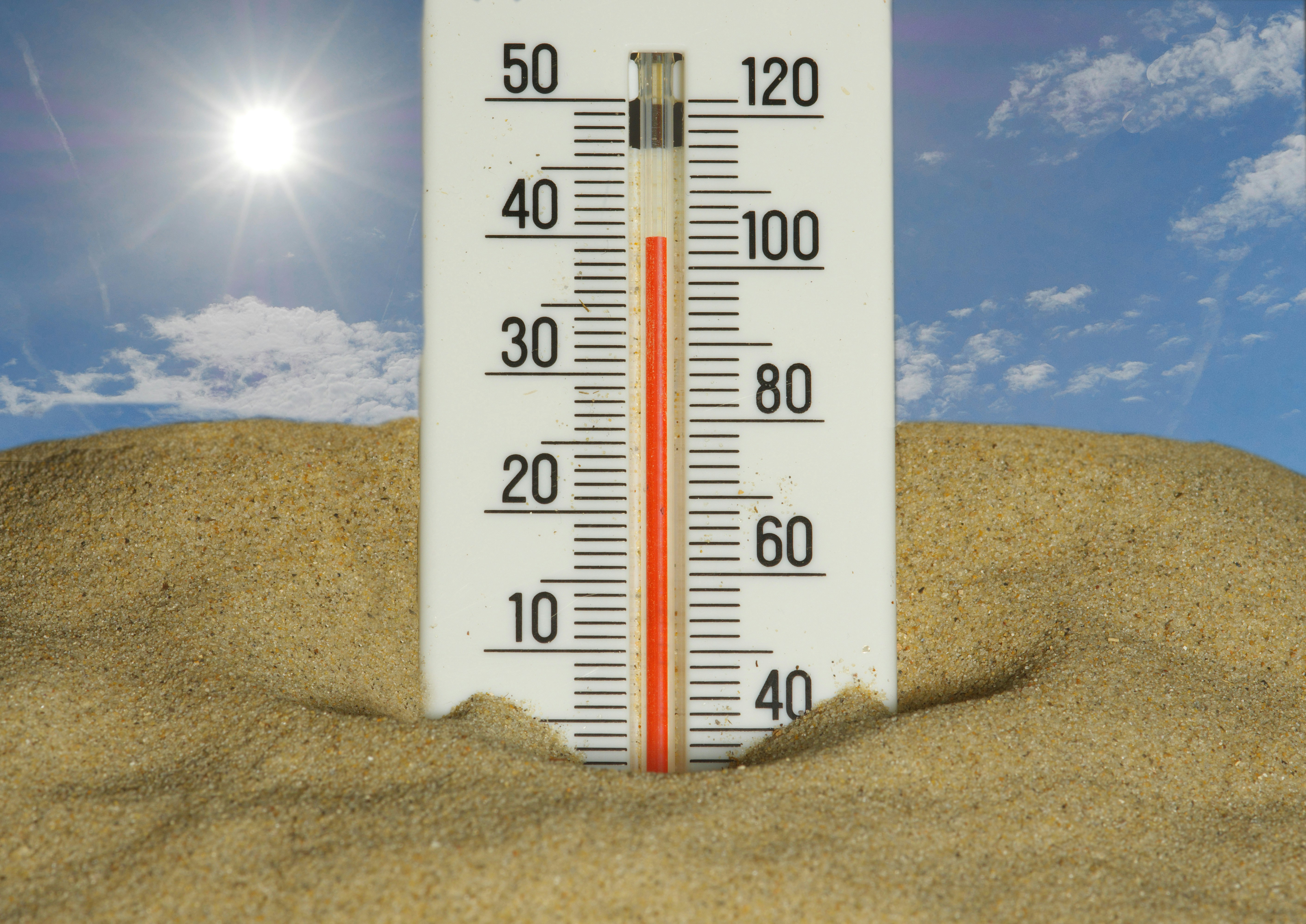
Keep customers informed without making promises you cannot keep
Dangerous heat conditions and official warnings have recently affected parts of Southern California and the Las Vegas Valley. Local reporting covered an extreme heat warning for Orange County coastal areas and San Diego County coastal areas, while Las Vegas reporting described dangerous heat returning to the valley. Read the Orange County report and the Las Vegas Review-Journal report.
For a local business, an active heat warning can change the questions customers ask:
- Are you open today?
- Can you still come to my address?
- Are outdoor appointments available?
- Is there a delay for service, delivery, or pickup?
- What should I do if I need help after hours?
Your website cannot replace local public-health or emergency-management guidance. For heat-safety information, follow official guidance from the relevant local authorities. But your site can clearly communicate what your business is doing, what customers should expect, and how to reach you.
Businesses should prepare for a possible increase in time-sensitive questions or service requests during extreme heat, especially if their work involves cooling, outdoor labor, deliveries, scheduled appointments, or vulnerable customers.
Table of contents
- Start with a clear status update
- Update the details customers need before contacting you
- Use a heat-specific service and appointment policy
- Make the website easy to use on a phone
- Prepare your inquiry follow-up process
- A short checklist for HVAC companies
- What not to publish during a heat event
- Related reading
Start with a clear status update
If heat affects your availability, publish a short update where visitors can see it immediately. A sitewide banner at the top of the website is often the most practical option because it appears across service pages, contact pages, and location pages.
Keep the message factual, brief, and dated.
Example banner:
Heat-related schedule update — September 8: We are operating with modified appointment availability today. Please call before visiting, and use our request form for non-urgent service inquiries.
Only publish information you can confirm. If hours, crews, delivery routes, or appointment windows have not changed, do not imply that they have.
A useful status update can include:
- The date and time of the update
- Current business hours or any modified hours
- Whether walk-ins, appointments, deliveries, or on-site visits are affected
- The best contact method for urgent business inquiries
- A link to a dedicated update page if the situation is likely to change
If the status changes, replace the old message rather than stacking multiple banners that force customers to guess which one is current.
Update the details customers need before contacting you
A heat-related update should answer the practical questions a visitor would otherwise ask by phone. That reduces confusion and helps customers decide whether to call, submit a form, reschedule, or wait for normal availability.
Confirm your hours everywhere
Check that your current hours match across:
- Your website header and footer
- Your contact page
- Your location page
- Booking or appointment pages
- Your Google Business Profile
- Social profiles where customers regularly check for updates
- Voicemail and automated phone messages
If you have temporarily shortened hours, say whether the change applies to phone support, in-person service, field appointments, or all of the above.
For more help keeping hours and availability clear, see What to Put on Your Website When a Business Location Closes.
State service-area limits plainly
Extreme heat may affect how far a team can travel, when outdoor work is scheduled, or which delivery areas remain available. If your service area changes, do not make customers interpret a vague phrase like “limited availability.”
Instead, publish the specific boundary you can support.
Example:
Today’s field appointments are limited to customers within our standard service area. Requests outside that area may be scheduled for the next available appointment window.
If the restriction applies only at certain times, say so. For example, a landscaping company might limit outdoor appointments to morning hours, while a restaurant may continue normal delivery hours but adjust delivery-zone availability.
Explain appointment and pickup expectations
Customers should not have to submit a request just to learn that they need to reschedule. Add a short note to relevant pages explaining:
- Whether new appointments are available
- Whether existing appointments are being reconfirmed
- Whether customers should call before arriving
- Whether pickup, curbside service, or delivery procedures have changed
- Whether an estimated response time is available
Avoid promising an exact arrival time or same-day service unless your team can reliably provide it.
Use a heat-specific service and appointment policy
Not every business needs to close or change operations during extreme heat. Decisions should depend on the work involved, staff safety, local conditions, and official guidance.
Still, businesses that perform outdoor, mobile, or physically demanding work should decide in advance what their public-facing policy will be.
For outdoor and field-service businesses
Roofers, landscapers, pool technicians, painters, moving companies, mobile detailers, and similar businesses may need to adjust the timing of outdoor work.
Your website can say:
- “Outdoor appointments may be adjusted based on conditions.”
- “We will contact scheduled customers if an appointment needs to move.”
- “Morning appointments may be available before afternoon appointments.”
- “Please submit a request online, and our team will confirm availability.”
Do not frame a scheduling adjustment as a customer inconvenience alone. Keep the explanation simple: service timing may be modified based on conditions and team availability.
For appointment-based businesses
Salons, fitness studios, dental practices, pet-care providers, auto shops, and professional offices may need to communicate arrival, waiting-room, or cancellation expectations.
Useful information may include:
- Whether guests should arrive at their scheduled time rather than early
- Whether a waiting area is available
- Whether appointments are being confirmed by phone or text
- Whether late-arrival or rescheduling policies are temporarily different
- Whether the location’s normal hours have changed
If you publish a temporary cancellation policy, make it easy to find and consistent with what staff members are telling callers. This guide on explaining cancellation and no-show policies can help with the permanent version of that page.
For businesses serving people with urgent needs
Some businesses may receive inquiries that feel urgent during a heat event. Be precise about the scope of your help. A business should not present itself as an emergency or medical resource unless that is accurate.
If a visitor may need emergency, public-health, or medical assistance, direct them to appropriate local official resources rather than attempting to provide safety instructions through a service-page banner.
Make the website easy to use on a phone
During an active weather event, many visitors will check your site from a phone while away from home or work. A heat update is only useful if someone can read it, call you, or request service quickly.
Check these basics:
- The status banner fits on a small screen. Avoid a long paragraph that pushes the main content down.
- Your phone number is tappable. Visitors should not have to copy and paste it.
- Your contact form works. Submit a test request and verify the confirmation message appears.
- Your current hours are visible. Do not bury modified hours in a PDF or social post.
- Maps, directions, and location information are current.
- Your primary next step is obvious. For example: call, request an appointment, check availability, or send a message.
For a broader mobile review, read Why Your Local Business Website Has to Work on a Phone First.
Prepare your inquiry follow-up process
Extreme heat may create more questions for certain local businesses, but no source here documents a measured increase in website leads. The practical move is to prepare for a possible rise in inquiries without assuming one will happen.
Before publishing a heat-related message, decide:
- Who monitors form submissions
- Who answers calls during modified hours
- Which requests require a fast response
- What staff should say if the schedule changes again
- How requests are documented if an appointment cannot be confirmed immediately
A contact form should set expectations honestly. If response times are longer than usual, add that note near the form or in the automatic confirmation message.
Example form confirmation:
Thanks for contacting us. We are reviewing requests during modified operating hours and will respond as soon as we can. For current availability, please call our office.
Do not claim “priority” or “emergency” response unless you actually offer it. If you do not monitor forms outside business hours, make that clear. See How Local Businesses Should Handle Website Leads That Arrive After Hours for a practical process.
A short checklist for HVAC companies
Heat-related website updates are especially relevant for HVAC businesses because customers may search for cooling help during dangerous conditions. That does not mean every HVAC company is experiencing a documented surge in calls or requests.
If inquiries rise, an HVAC website should make these details easy to find:
- Current service hours
- Areas currently served
- Whether the business is accepting new service requests
- How customers can request an appointment
- Whether after-hours contact is available
- What information customers should include in a request, such as address, system type, and a brief description of the issue
- A clear distinction between routine scheduling and any services the company actually defines as urgent
Avoid publishing unsupported promises such as “same-day repair guaranteed,” “fastest response in town,” or “we can restore your cooling today.”
For the full HVAC-specific website framework, visit Heat Dome Website Updates for HVAC Companies.
What not to publish during a heat event
A quick update can help customers, but rushed messaging can also create confusion. Avoid these common mistakes.
Do not publish unverified safety claims
Do not give medical advice, present your location as a cooling center unless it officially is one, or suggest that visiting your business will protect someone from heat exposure.
Link customers to local emergency-management and public-health guidance for heat-safety information.
Do not use vague availability language
“Limited service” means very little without context. Explain what is limited: hours, field appointments, deliveries, service area, walk-ins, or response times.
Do not leave expired updates on the site
An old banner can be worse than no banner. Set a reminder to review the message at the end of each day or when official conditions change.
Do not let your website and Google Business Profile disagree
A customer who sees “open” in one place and “closed” in another may call someone else. Update both channels when business hours change. Learn how your website and Google Business Profile work together.
Key takeaways
- Local reporting has documented dangerous heat conditions and warnings affecting parts of Southern California and the Las Vegas Valley.
- A dated website status banner can communicate modified hours, appointment changes, or service-area limits.
- Publish only operational details you can confirm.
- Outdoor and field-service businesses should explain how scheduling may change without promising work they cannot safely complete.
- Prepare for a possible increase in inquiries, but do not present a lead surge as a documented fact.
- Direct visitors to official local emergency-management and public-health guidance for heat-safety information.
Make urgent website updates easier
A heat-related website update should be clear, current, and easy to change when conditions shift. StoopCraft builds done-for-you websites for local businesses and includes on-page SEO as part of its $69/month service.
Related reading
- What Local Businesses Should Put on Their Website During a Prolonged Power Outage
- What Local Businesses Should Do When a Tornado Watch Is Issued
- California Earthquake Website Preparedness: What Local Businesses Should Publish Before an Emergency
- Local Business Website Reopening Checklist: What to Update Before You Resume Service