Do You Still Need a Website If You Have Facebook and a Google Listing?
Facebook and a Google Business Profile genuinely help local businesses. Here's what a website adds that neither one can — and when social alone is enough.
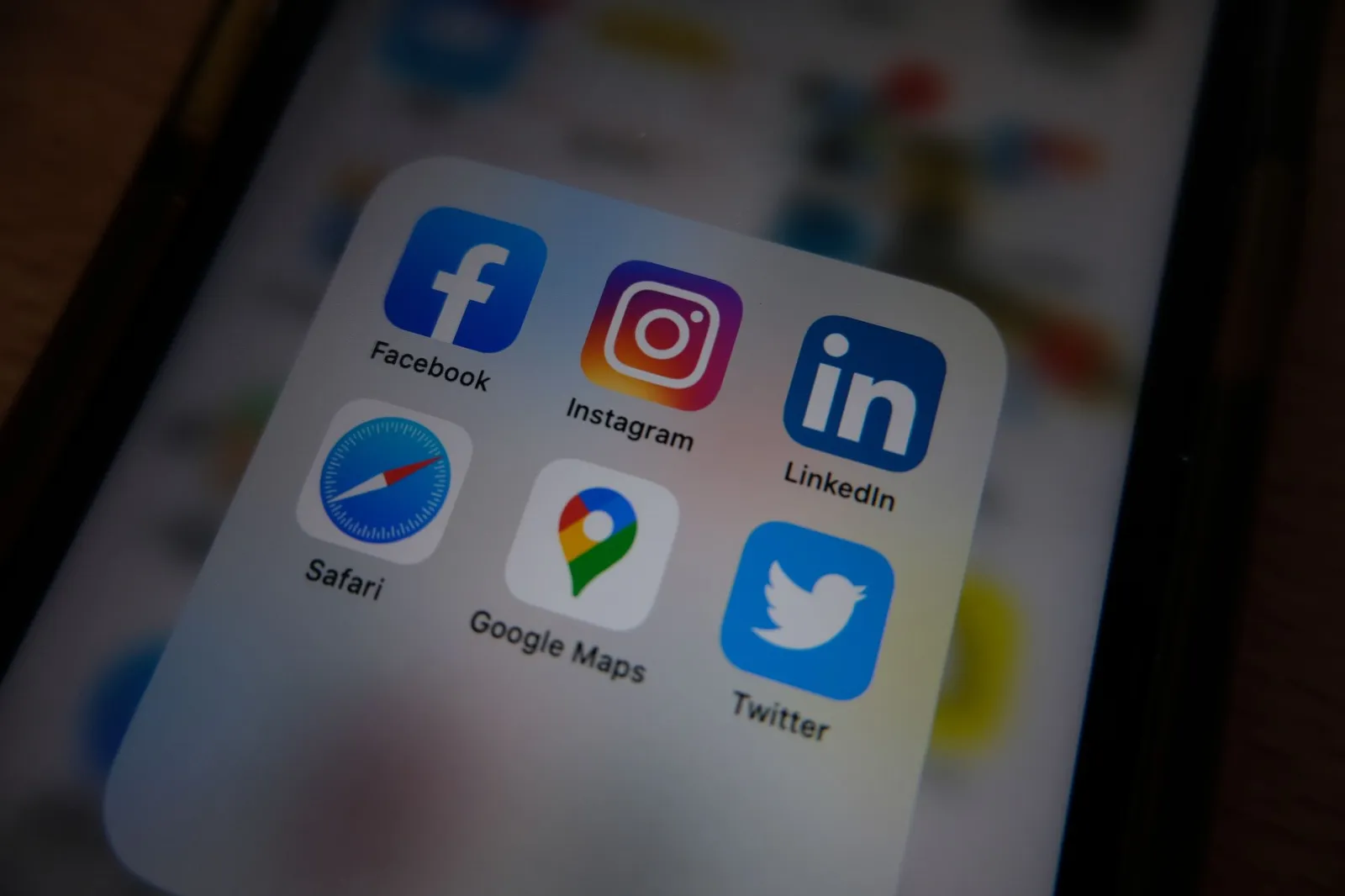
Yes, in almost every case — even if your Facebook page is active and your Google Business Profile looks great. Social media and a Google listing are genuinely useful, and for a very new or very small operation they might be all you need for a little while. But they do a different job than a website does, and the gap shows up the moment a customer wants to do more than glance at a post: check your hours against a specific job, see your full price range, read about a service you don't post about often, or just decide you look legitimate enough to call.
None of that is a knock on social media. It's more that "do I need a website" is really two questions people mix together — "does social media help me?" (yes) and "does it replace a website?" (no, and here's specifically why).
What social media and a Google listing already do well
It's worth being honest about this part, because a lot of website advice glosses over it. A Facebook or Instagram page is genuinely good at showing recent work, building familiarity with people who already follow you, and giving customers a place to leave reviews and ask quick questions in the comments. A Google Business Profile is arguably even more important for a local business — it's what shows up on the map when someone searches "plumber near me," it surfaces your hours and phone number directly in search results, and it's free.
If you don't have both of these set up and kept current, that's worth fixing before anything else. (We've covered how a Google Business Profile and your website work together in more depth.) For a lot of local searches, your Google listing is genuinely the first thing a customer sees — often before they ever reach your website.
So the honest starting point is: social media and a Google listing work. The question isn't whether to use them. It's whether they're enough on their own.
What a website does that neither one can
You own it — you're not renting an audience
Your Facebook page, your Instagram followers, your TikTok account — none of it is actually yours. It lives on a platform that can change its algorithm, change its rules, restrict your reach, or suspend your account, and there's often very little recourse when that happens. Businesses that built their entire online presence on a single platform have found this out the hard way when a policy change or an algorithm shift quietly cut their visibility overnight.
A website is the one piece of your online presence that's actually yours. You control the hosting, the content, and who can take it away from you (nobody, as long as you keep paying for it). Everything else — social, your Google listing, ads — works best when it's driving people toward something you own, not standing in for it.
It signals you're a real, established business
Fair or not, plenty of customers still treat "no website" as a small red flag, especially for anything above a casual, one-off purchase. A Facebook page with a handful of posts doesn't carry the same weight as a proper site with your services, service area, and real photos of your work laid out clearly. For businesses competing on trust — contractors, medical or dental practices, anyone doing higher-ticket work — that gap in perceived legitimacy is often the difference between a customer calling you and calling the next name on the list.
You control the full message, not just what fits in a post
A Facebook post has to compete with a feed of other people's vacation photos, memes, and ads. Even your best post is a fleeting, scrollable thing. A website is a fixed place where you decide exactly what a visitor sees, in what order, with nothing else competing for their attention on the page. You can lay out your full range of services, explain pricing logic, answer common questions, and walk someone through exactly why they should pick you — none of which fits into a caption.
You show up in Google Search, not just in people's feeds
Social platforms are mostly closed gardens — what you post there generally doesn't get indexed and ranked the way a website does when someone searches on Google. If someone searches "[your service] + [your city]" instead of scrolling their Facebook feed, a website is what has a real shot at showing up in those results. Your Google Business Profile helps with the map pack, but a website with real content about what you do — a page for each service, a page for each area you cover, answers to the questions customers actually ask — gives you a second, complementary way to be found. It's also simply more durable: a well-built page you publish once can keep bringing in search traffic months or years later, long after a social post has scrolled out of anyone's feed.
Quick way to think about it
Social media and Google Maps are where people discover you. A website is where they decide on you. You generally want both — discovery without a place to convert that interest is a missed opportunity.
You can capture leads on your own terms, any time of day
A website with a clear contact form or quote request works at 11pm on a Sunday, when your phone is off and nobody's watching the Facebook page. It's set up to do exactly one job: turn a visitor into an inquiry. Social platforms weren't built for that — a comment or a DM is easy to miss, especially once a post is a few days old and buried under newer ones, and there's no structured way to collect what you actually need (name, number, what the job is, when they need it) before you call someone back. A form on a website sits there quietly, doing that same job for every visitor, whether it's your busiest week or your slowest.
No competitor's ad is sitting next to your content
Post on Facebook or Instagram, and the platform can serve up a competitor's ad in the very next slot in someone's feed. That's simply how those platforms make money — you don't get a say in it. A website is quieter in the best way: whoever lands there is looking at your business and nothing else, with no algorithm inserting anyone else into the moment.
It keeps working even if a platform locks you out
Account suspensions, sudden policy changes, an algorithm update that tanks your reach overnight — these things happen to real businesses, often without warning and with limited ability to appeal. If your entire online presence lives on one platform you don't control, an event like that can take you offline in the way that matters most: to new customers trying to find you. A website isn't subject to someone else's terms of service. As long as it's up, it's up.
When social media alone might genuinely be enough — for now
To be fair to the other side of this: if you're testing an idea, running something as a side project, or you're so early that you're not even sure the business will stick around, leaning on a free Facebook page and a Google Business Profile while you figure things out isn't a bad call. A farmers-market vendor testing a product line, a one-person side hustle taken on nights and weekends, a pop-up that runs for a season — none of these need to sink time into a full website before they know whether the idea has legs. There's no reason to invest in a full website for something still in the experimental stage.
The moment that changes is when you're serious about being found reliably, you want customers to be able to reach you and get quoted without waiting on a DM reply, or you're tired of a platform's algorithm deciding how many of your own followers actually see your posts. At that point, the math flips — a website stops being optional overhead and starts being the thing that makes everything else (your social posts, your Google listing, word of mouth) actually convert into work.
They're not actually competing with each other
None of this means dropping social media once you have a website — the two are meant to work together, not replace each other. Keep posting recent jobs on Instagram. Keep your Google Business Profile current with hours, photos, and reviews. Just point both of them at a website that can actually close the loop: show your full range of work, answer the questions a quick post can't, and give people a clear way to reach you that isn't at the mercy of a platform's next update. For a broader look at what that site needs to include once you're ready, our local business website checklist walks through it page by page.
If you've been putting off the website side because it sounds like a slow, expensive project layered on top of what you're already doing on social, that's usually not how it has to go — StoopCraft builds it for you and shows you a free preview before you ever pay anything.
Frequently asked questions
- Can I just use Facebook and Google instead of a website?
- You can, and plenty of very small or brand-new businesses do it for a while with real success. But you're renting that presence on someone else's platform, with someone else's rules. Once you're serious about being found reliably and booked without a middleman, that's usually the point where a website stops being optional.
- Does having a website actually help me show up on Google?
- A website gives Google more to index than a social profile does — service pages, location pages, and content around what you offer. A Google Business Profile still matters most for the local map results, but the two work together: a website is one of the trust signals Google weighs when ranking your Business Profile in the first place.
- What if my Facebook page already gets good engagement?
- That's genuinely useful and worth keeping. It just isn't the same job as a website. Engagement on a post proves people like your content in that moment; a website is where someone goes to actually decide whether to call you, and it's the one piece of your online presence you fully control if the platform changes its rules or your account gets locked.
- Is it expensive or complicated to add a website on top of social media?
- It doesn't have to be. You don't need to choose between social media and a website — most local businesses run both, with social media driving awareness and the website doing the converting. Services like StoopCraft build the site for you and show you a free preview before you pay anything, so there's no upfront cost or technical work on your end.