Medical Spa Website Essentials: What Prospective Patients Need Before Booking
A practical checklist for medical spa websites, from treatment pages and provider information to booking details and mobile usability.
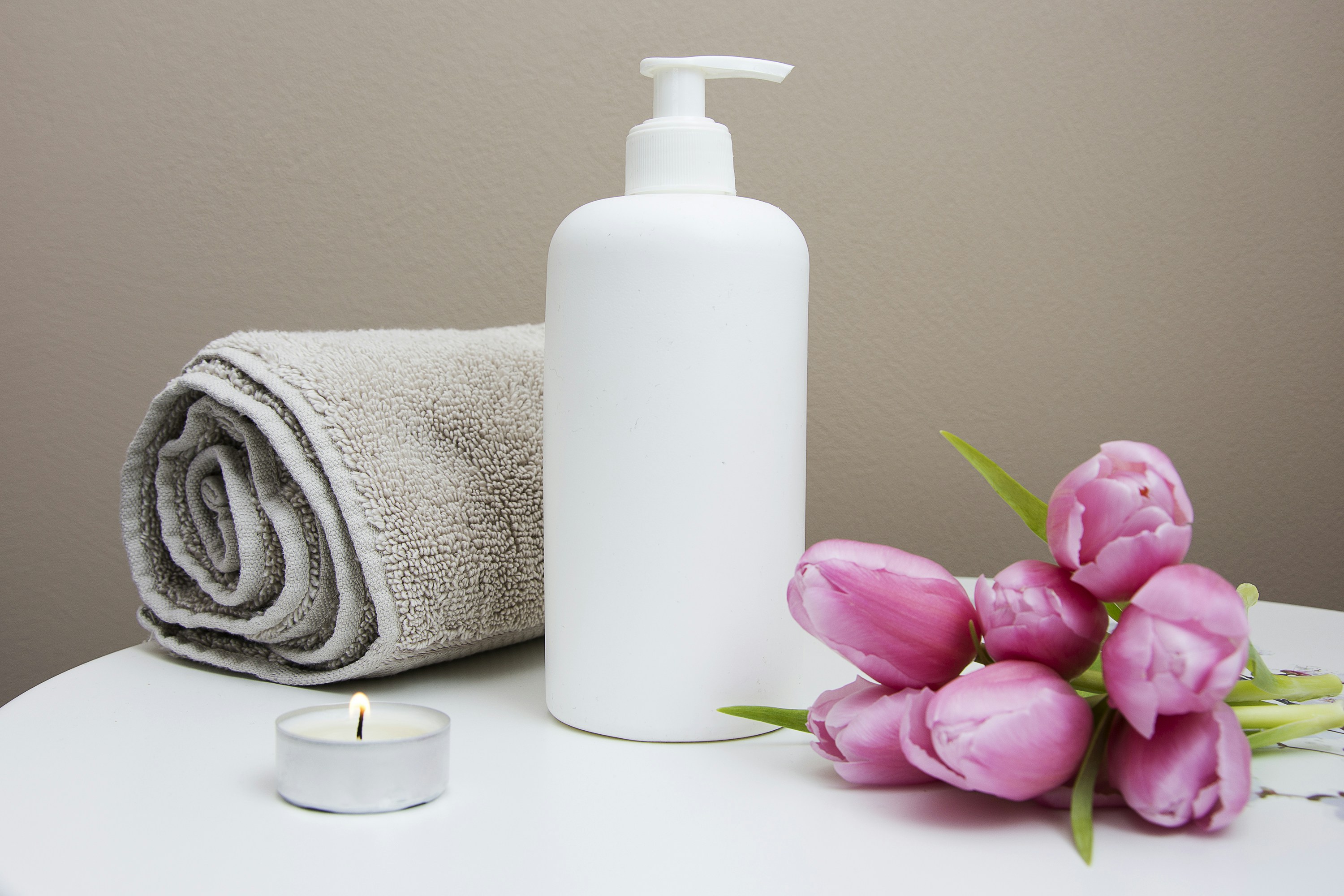
A medical spa website should reduce uncertainty before a visitor contacts you
A prospective patient often has more questions before contacting a medical spa than before booking a typical beauty appointment. They may be comparing treatment options, trying to understand what a consultation involves, looking for provider information, checking whether a service is offered nearby, or deciding whether the price and scheduling process fit their needs.
Your website does not need to provide medical advice or make promises about outcomes. It should, however, give visitors clear, accurate information about your practice, services, providers, policies, location, and next step.
A complete medical spa website can help prospective patients evaluate whether they want to request a consultation or booking. The goal is not to pressure someone into a decision. It is to make the decision process less confusing.
Table of contents
- Start with a clear homepage
- Build useful treatment and service pages
- Explain consultations without presenting medical advice
- Make provider and practice information easy to find
- Use before-and-after photos with context
- Cover pricing, financing, and policies clearly
- Make booking and contact paths simple
- Answer common practical questions
- Design for mobile visitors
- Create a plan for follow-up after an inquiry
- Medical spa website checklist
Start with a clear homepage
A medical spa homepage should quickly answer the basic questions a new visitor is likely asking:
- What services does this practice offer?
- Where is it located?
- Who provides or oversees care?
- How can I request a consultation, book, call, or ask a question?
- What should I explore next?
Avoid a homepage that opens with vague language such as “elevate your confidence” and makes visitors hunt for the actual services. Brand language has a place, but clarity comes first.
A practical homepage structure may include:
- A short description of the practice and its location.
- Prominent links to core treatment categories.
- A visible consultation or booking call to action.
- A brief introduction to the providers or practice team.
- Patient-focused trust information, such as real practice photos, accurate reviews where appropriate, and links to policies.
- Phone, address, and hours without requiring visitors to scroll to the footer.
If your medical spa has multiple locations, make the location choice clear immediately. Do not send a visitor toward a booking process only to reveal later that the selected service is unavailable at their preferred office.
For broader homepage planning, see the local business website checklist.
Build useful treatment and service pages
A treatment page is not a sales flyer. It is a research page for someone deciding whether to contact your practice.
Each important service should have its own page rather than being buried in a long list of treatments. A visitor researching one service should be able to find the relevant information without sorting through unrelated offerings.
What every treatment page should include
A strong service page can include:
- The treatment or service name
- A plain-language description of what the service is
- What concerns or goals people commonly ask about in relation to that service
- What the consultation process is intended to cover
- Who may provide or oversee the service at your practice
- General preparation, appointment, or follow-up details that have been reviewed for accuracy
- Clear next steps for requesting a consultation or booking
- Related services, when genuinely relevant
- Links to pricing, financing, policies, or FAQs where applicable
Keep the language specific. A page titled “Aesthetic Services” with a paragraph of generic marketing copy does not help someone compare options.
Separate treatment information from medical claims
Medical spa websites should be especially careful about unsupported claims. Do not write as though every visitor is a candidate, every treatment is appropriate for a particular concern, or a certain outcome will occur.
Instead of writing:
This treatment is the perfect solution for anyone who wants clearer skin.
Use language such as:
During a consultation, the practice can discuss your goals, questions, health history, and whether this service may be appropriate for you.
Clinical claims, eligibility statements, safety information, before-and-after explanations, and aftercare guidance should be reviewed by qualified professionals before publication. Your website should not substitute for individualized medical guidance.
For a more general framework for organizing service information, read what to include on a local business service page before customers request a quote.
Explain consultations without presenting medical advice
For many medical spa visitors, the consultation is the actual first conversion point. They may not be ready to commit to a treatment, but they may be ready to understand their options.
Your website should explain the consultation process in practical terms.
Answer these consultation questions
Create a dedicated consultation section or page that addresses:
- How to request a consultation
- Whether visitors should book online, call, or submit a form
- What information they may be asked to provide
- Whether a consultation is required before certain services
- What topics may be discussed during the appointment
- What visitors should bring or prepare, if your practice has established guidance
- How long the appointment is generally scheduled for, if you publish that information
- What happens after the consultation
- How to reschedule or cancel
Do not use the website to pre-screen visitors with medical conclusions. You can state that candidacy, risks, treatment choices, and other individual considerations are discussed with an appropriate provider.
This approach sets a clear expectation: the site helps someone begin the conversation, while the consultation addresses their individual situation.
Make provider and practice information easy to find
Medical spa visitors may want to know who they will meet, who performs a service, and who is involved in the practice. A generic “Meet Our Team” page with first names and stock-style biographies can create more uncertainty than it resolves.
Provide an easy-to-find provider or team page with accurate, current information.
Include the details patients look for
Depending on your practice and what has been approved for publication, provider profiles may include:
- Full name
- Professional role
- Credentials and professional background
- Areas of practice or services provided
- A current professional photo
- Office location, if relevant
- Languages spoken, if applicable
- A clear explanation of the provider’s role within the practice
Keep qualifications precise. Do not inflate titles, imply certifications that are not current, or use ambiguous language about supervision or medical oversight. Confirm that all public-facing credentials and role descriptions have been reviewed for accuracy.
Real photos of your team and office can also give visitors a better sense of the practice before they arrive. See why real photos sell your local business better than stock for guidance on choosing website photography that feels credible.
Use before-and-after photos with context
Before-and-after galleries can be a major part of medical spa research, but they need context. A gallery of unlabeled images may leave visitors with more questions:
- What service is shown?
- Is the image from your practice?
- Are lighting, angle, makeup, or timing comparable?
- What does the photo actually represent?
- Is this typical or simply one individual example?
If your practice uses before-and-after photos, organize them by service and include concise, approved context. Avoid presenting images as a guarantee of what another person will experience.
A helpful gallery may include:
- The treatment category associated with the image
- A neutral description of what is shown
- Consistent labeling and image presentation
- Any approved context needed to avoid misleading interpretation
- A reminder that individual experiences and outcomes vary
Do not use heavily edited images, unclear stock images presented as patient examples, or images without appropriate permission. If you are uncertain whether a photo can be published or how it should be described, resolve that before it reaches the website.
Cover pricing, financing, and policies clearly
Price uncertainty can stop a visitor from taking the next step. That does not mean every practice must publish a fixed price for every service. Treatment plans, consultation findings, service variations, and practice policies may make exact pricing unsuitable for a general website page.
What matters is that the website is honest about what a visitor can learn before contacting you.
Choose a pricing approach you can maintain
Your website may publish:
- Starting prices, when accurate and appropriate
- Consultation fees, if applicable
- Service menus with clear “starting at” language
- Package information, if current and approved
- Financing availability, if offered
- A direct explanation that pricing is discussed after consultation
- Links to current promotions, with dates and terms when relevant
Avoid hiding every price-related detail behind a form while also implying that a visitor will receive a quick quote. If pricing depends on a consultation, say so plainly.
Your policies deserve the same treatment. Make it easy to find current information about cancellations, no-shows, deposits, appointment changes, late arrivals, and any other policies your practice applies. Clear policy pages can prevent unpleasant surprises after someone has started booking.
For a practical policy-writing framework, see how local businesses should explain cancellation and no-show policies on their websites.
Make booking and contact paths simple
A visitor who decides to contact your medical spa should not have to decode the next step.
Choose the primary action for each page:
- Request a consultation
- Book an appointment
- Call the practice
- Ask a non-urgent question
- View available services
- Get directions
Then make that action obvious.
A booking workflow should answer practical questions
Whether you use online scheduling, a request form, phone calls, or a combination, explain:
- What the visitor should select
- Whether they are booking a treatment or requesting a consultation
- Which location they are choosing
- What information they will need
- What happens after the request is submitted
- How the practice will confirm the appointment
- How to contact the office if they have trouble booking
Forms should ask only for information needed to handle the inquiry. Avoid asking people to share detailed medical information through a basic contact form unless your practice has established an appropriate process for that information.
Before publishing a form, review the questions, confirmation message, inbox routing, and privacy language. The local business website lead form privacy checklist can help you review the basics.
Answer common practical questions
A medical spa FAQ section can reduce repeated calls and help visitors decide whether they have enough information to request a consultation. Focus on practical questions that can be answered accurately without becoming medical advice.
Useful topics may include:
- Where are you located?
- What are your hours?
- Do I need a consultation?
- How do I request an appointment?
- What should I do if I need to reschedule?
- Which providers are available at each location?
- Do you offer financing?
- Where can I find your cancellation policy?
- What should I bring to my appointment?
- How can I contact the office with a scheduling question?
Keep FAQ answers short, direct, and current. Link to fuller pages when a topic needs more detail. For more ideas, read local business website FAQ: questions to answer before customers call.
Design for mobile visitors
Someone researching a medical spa may be on a phone between errands, during a lunch break, or while comparing multiple local options. If key information is difficult to use on a smaller screen, visitors may abandon the process before they reach your booking page.
Check your website on an actual phone, not only in a desktop preview.
Make sure visitors can easily:
- Read service descriptions without tiny text
- Tap phone numbers and booking buttons
- Use forms without excessive typing
- View images without slow-loading galleries
- Find hours, address, and directions
- Open policy and FAQ links
- Return to the main service menu
Avoid pop-ups that block the screen before a visitor has read the page, especially when the same information is available through a persistent booking button or contact link.
For a detailed mobile review, see why your local business website has to work on a phone first.
Create a plan for follow-up after an inquiry
A website inquiry is only the beginning of the visitor’s experience. If your website says someone will receive a response, confirmation, or scheduling details, make sure your internal process supports that message.
Decide in advance:
- Who receives form submissions
- Who checks the inbox after hours
- How online scheduling requests are confirmed
- Which inquiries require a phone call instead of an email response
- What information staff should verify before scheduling
- How staff should handle incomplete forms or duplicate requests
- How appointment policies are shared consistently
Your confirmation page and automated messages should be accurate. For example, if a request does not guarantee an appointment, say that it is a request and explain what happens next.
The local business lead follow-up checklist and guide to handling website leads that arrive after hours can help you map that handoff.
Medical spa website checklist
Use this checklist when reviewing an existing website or planning a new one.
Practice basics
- [ ] Practice name, address, phone number, hours, and directions are current.
- [ ] Each location has clear, accurate details.
- [ ] The homepage explains what the practice offers and where it serves.
- [ ] Contact and booking options are visible throughout the site.
Services and consultation
- [ ] Core services have dedicated, useful pages.
- [ ] Treatment descriptions are clear without making unsupported medical claims.
- [ ] Consultation expectations are explained.
- [ ] Service pages tell visitors what to do next.
- [ ] Published preparation and aftercare information has been appropriately reviewed.
Trust and transparency
- [ ] Provider names, roles, and credentials are accurate and easy to find.
- [ ] Team and office photos are current and authentic.
- [ ] Before-and-after photos have relevant context and appropriate permission.
- [ ] Pricing, financing, and policy information is clear about what visitors can expect.
- [ ] Reviews and testimonials, if used, are presented accurately.
Booking and website usability
- [ ] The booking path distinguishes consultations from appointments where needed.
- [ ] Forms request only necessary information.
- [ ] Form confirmations explain what happens next.
- [ ] Phone numbers, forms, navigation, and booking tools work on mobile.
- [ ] The site is reviewed regularly for outdated services, staff details, pricing, hours, and policies.
A short website partner note
A medical spa website needs careful page structure, accurate content, and an easy path from research to contact. StoopCraft builds done-for-you websites for local businesses and includes on-page SEO as part of its $69/month website service. If you want help building or refreshing a medical spa website, visit StoopCraft.