How Local Businesses Can Update Their Websites for the August 2026 Lunar Eclipse
A practical website update checklist for local businesses preparing for the August 27–28, 2026 lunar eclipse.
Prepare your website for a short-lived local event
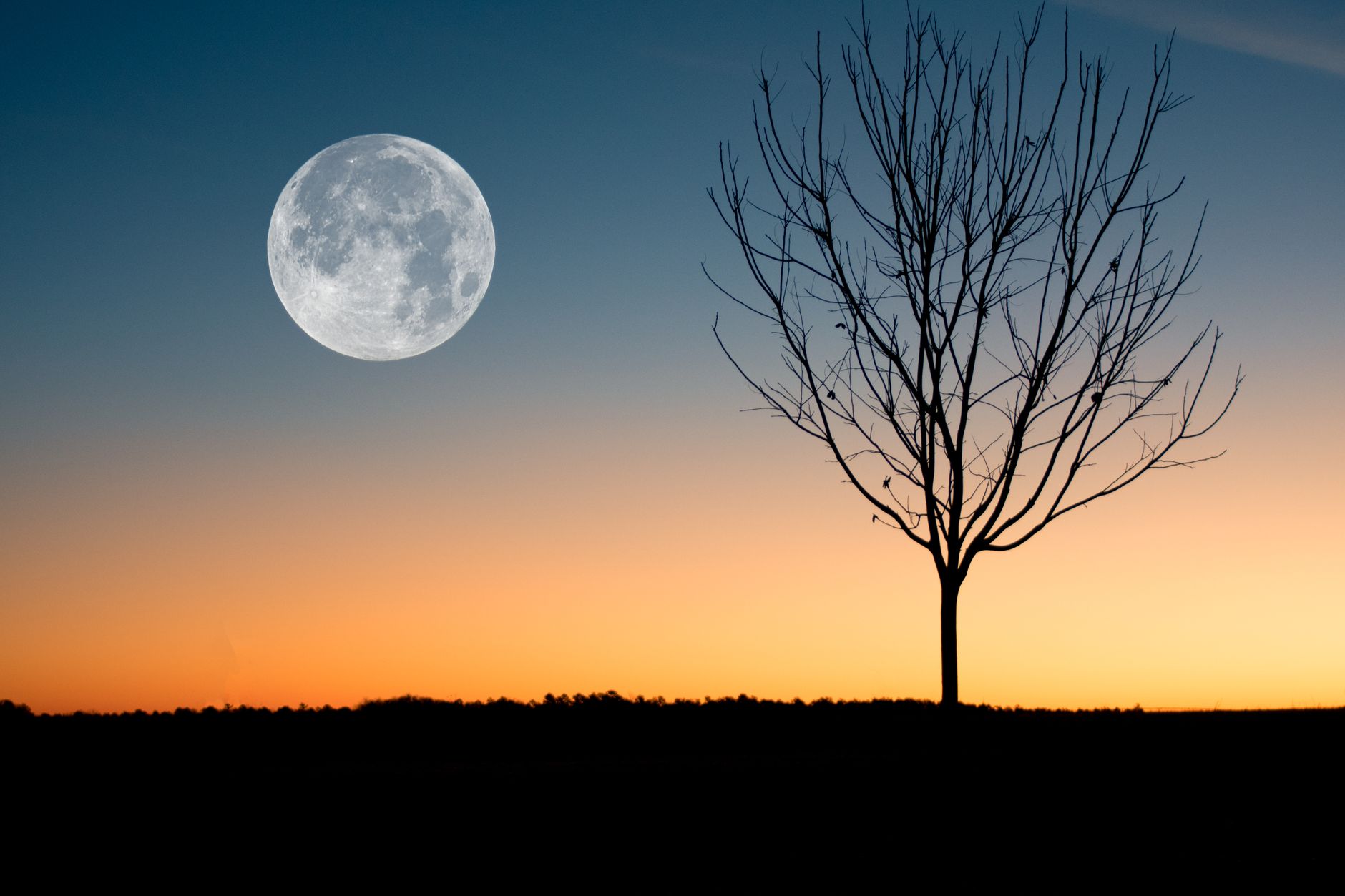
A deep partial lunar eclipse is scheduled for August 27–28, 2026, according to Sky & Telescope. Businesses that host viewing events—or may receive eclipse-related questions—should make their websites easy to understand before the date arrives.
This does not mean every local business will see more visitors, reservations, or inquiries. But a restaurant with a rooftop, a hotel with outdoor space, a venue planning an event, or a tour operator offering a viewing experience can prepare for the possibility by publishing clear, current information in one place.
The goal is simple: help a prospective customer quickly answer the questions that matter most.
- Is the business doing anything for the eclipse?
- What date and time should they plan around?
- Is a reservation, ticket, or RSVP required?
- What are the hours?
- Where should they park, check in, or find updates?
- What should they do if plans change?
Astronomical timing, visibility, and weather conditions vary by location and time zone. Confirm local details with qualified astronomy sources before publishing them. The Hill’s eclipse coverage is a useful starting point for broader event context, but your website should only state viewing details you have verified for your area.
Table of contents
- Decide whether your business needs an eclipse update
- Create one temporary event page
- Publish the details customers need before they contact you
- Make the next action obvious
- Connect your Google Business Profile to the right page
- Prepare staff for eclipse-related questions
- Remove or archive the update after the event
- A practical pre-event checklist
Decide whether your business needs an eclipse update
Not every local business needs an eclipse landing page. A timely update makes the most sense when the event could reasonably affect what customers need to know.
Consider publishing one if your business is:
- Hosting an eclipse-viewing event
- Extending or changing hours for the evening
- Taking reservations for outdoor seating, a rooftop, patio, or viewing area
- Selling tickets, packages, tours, or special menu items tied to the date
- Located near a popular public viewing area
- Expecting customers to ask whether your business will be open or offering anything special
- An astronomy club, science museum, observatory, tour company, or related organization
A business that is simply open as usual may only need a brief notice on its homepage, events page, or social channels. Avoid building a large campaign page if there is no meaningful update to communicate.
The best rule: publish information when it will reduce customer uncertainty.
Create one temporary event page
If you are hosting an event or offering an eclipse-specific experience, create one dedicated page rather than scattering details across a homepage banner, social post, reservation tool, and Google listing.
A single page gives customers and staff one reliable URL to share.
Use a clear page title, such as:
- “August 2026 Lunar Eclipse Viewing at [Business Name]”
- “Lunar Eclipse Dinner Reservations for August 27”
- “August 2026 Eclipse Event Details”
- “Lunar Eclipse Tour Information”
Keep the page focused on the customer’s decision. Do not turn it into a long astronomy lesson unless education is part of your event.
What the page should include
At minimum, include:
- The event date State August 27–28, 2026, where relevant, and explain which local date applies to your event schedule.
- Your business’s specific plan Say whether you are hosting a viewing, staying open late, offering a package, or operating normally.
- Verified local timing information Only include local viewing times, expected visibility, or eclipse-stage details after verifying them for your location and time zone. If conditions are uncertain, say so plainly.
- Location details Include the address, viewing area, entrance instructions, parking guidance, accessibility details, or meeting location when applicable.
- Reservation or ticket instructions Tell visitors whether reservations are required, recommended, unavailable, or already full. Link directly to the booking or ticket page.
- Weather and cancellation policy Explain only the policy you actually have. For example: whether the business remains open if weather affects viewing, whether tickets are refundable, or where updates will be posted.
- A contact method for unresolved questions Include a phone number, email address, or contact form—but make the page detailed enough that most people will not need to use it.
For more guidance on answering common questions before a customer calls, see Local business website FAQ: questions to answer before customers call.
Publish the details customers need before they contact you
Short-lived events create predictable confusion when basic operational details are missing. A visitor should not have to search your Instagram comments to learn whether they need a reservation or whether your patio is first-come, first-served.
Be specific about hours
If your schedule differs from normal, put the change near the top of the page.
Instead of:
We’ll be open late for the eclipse.
Write:
On August 27, our patio will remain open until [verified closing time]. Indoor dining will follow our regular schedule.
If you have not finalized the hours, do not guess. Say when customers can expect an update and point them to the page where it will appear.
Clarify capacity and reservations
Outdoor businesses should state the rules directly:
- Reservation required
- Walk-ins accepted while space is available
- Ticket required for the viewing area
- Dining reservation does not guarantee a viewing-space reservation
- Viewing event is free, but food and drinks are sold separately
- Event is for hotel guests only
- Capacity is limited
This kind of specificity can prevent frustrated arrivals and unnecessary calls. Restaurants can also borrow useful planning ideas from How local restaurants should add a limited-time promotion to their website.
Avoid unsupported viewing promises
Do not promise that customers will see the eclipse from your location. Visibility can depend on local geography, cloud cover, and other conditions.
Better wording includes:
- “Our patio will be open during the scheduled eclipse window.”
- “Guests can view the sky from our outdoor seating area, weather permitting.”
- “Check this page for event-status updates.”
- “Local visibility may vary.”
If you share astronomy or viewing guidance, link to qualified sources rather than presenting your business as the authority. Also avoid giving eye-protection advice unless you are relaying verified guidance from an appropriate public-safety or astronomy source.
Make the next action obvious
An event page should have one primary action based on how customers participate.
For example:
| Business situation | Primary call to action |
|---|---|
| Restaurant with limited patio seating | Reserve a table |
| Hotel package | View availability |
| Ticketed venue | Buy tickets |
| Tour company | Book the tour |
| Free public event | Get event details |
| Business operating normally | View hours and location |
Place that action near the top of the page and repeat it after key details. A visitor using a phone should not need to scroll through several paragraphs to find the reservation link or phone number.
Keep the wording concrete:
- “Reserve eclipse-night patio seating”
- “Buy event tickets”
- “Check hotel availability”
- “See updated event details”
- “Call us with event questions”
Before publishing, test the page on a phone. Event-related visitors may be searching while traveling, deciding where to go, or comparing options quickly. Why your local business website has to work on a phone first explains why that experience matters.
Connect your Google Business Profile to the right page
If you publish an eclipse event page, consider linking to it from your Google Business Profile where appropriate. The point is not to create duplicate information everywhere; it is to give people who find your listing a direct route to the current details.
Review these items:
- Your website link points to the most useful page for the event period, if appropriate
- Special hours are accurate if your schedule changes
- Your phone number and address are current
- Event-related posts or updates use the dedicated website page as the destination
- Reservation links work correctly
- The same event date, hours, and participation rules appear consistently across your website and listing
Do not replace your main website link with a temporary event page if that would make it harder for everyday customers to find your regular services, menu, or contact details. In many cases, a Google post or event-related update pointing to the dedicated page is the cleaner approach.
Read Google Business Profile and your website: how they work together to get you found for a broader explanation of how these two assets should support each other.
Prepare staff for eclipse-related questions
A clear website helps, but staff should still know where the final information lives. Give the team a short internal reference before the event.
Include:
- The event page URL
- Confirmed hours
- Reservation and ticket rules
- Parking or arrival instructions
- The policy for weather-related changes
- Who can approve a public update if details change
- A simple response for questions the business cannot answer
For example:
Our current event details are posted at [URL]. Local viewing conditions can vary, so please check that page before heading over.
This keeps answers consistent without asking staff to speculate about astronomy, weather, capacity, or last-minute operational decisions.
If inquiries rise, a simple process for responding to them can help. See Local business lead follow-up checklist: what to do after a website inquiry.
Remove or archive the update after the event
Temporary pages should not become stale website clutter.
Within a few days after the event, review:
- Homepage banners and pop-ups
- Event-page calls to action
- Google Business Profile posts or links
- Reservation widgets
- Social media profile links
- Any mention of special hours
If the page has no lasting value, unpublish it or redirect it to a relevant evergreen page, such as your events page, reservations page, or regular hours page.
If you want to preserve it as a record, change the wording so it is clearly historical. Remove booking buttons and add a short note that the event has ended. Do not leave a page that appears to advertise an expired reservation opportunity.
This cleanup matters for customer trust. An outdated event page can make a business look inattentive, especially when it still appears in search results.
A practical pre-event checklist
Before publishing your lunar eclipse update, confirm each item below.
- [ ] We have decided whether an event page is actually necessary.
- [ ] The date is listed accurately as August 27–28, 2026 where relevant.
- [ ] Any local viewing time or visibility information has been verified for our location.
- [ ] Our page clearly explains what our business is offering—or that we are operating normally.
- [ ] Hours, reservation rules, tickets, capacity, and location details are easy to find.
- [ ] We have not promised visibility, weather, attendance, bookings, or business results.
- [ ] The primary call to action works on mobile.
- [ ] Our Google Business Profile information matches the website.
- [ ] Staff know where to direct event-related questions.
- [ ] We have assigned someone to remove, revise, archive, or redirect temporary information after the event.
A brief, accurate update is usually more useful than a complicated campaign. If your business has a real eclipse-related detail to share, give customers one current page, one clear action, and a reliable place to check for changes.
StoopCraft builds websites for local businesses and includes on-page SEO as part of its $69/month service. If you need help keeping a time-sensitive business update clear and easy to manage, visit StoopCraft.