Local Business Website Analytics: What to Track Beyond Traffic
Learn which local business website metrics matter beyond traffic, what they mean, and what to review each month.
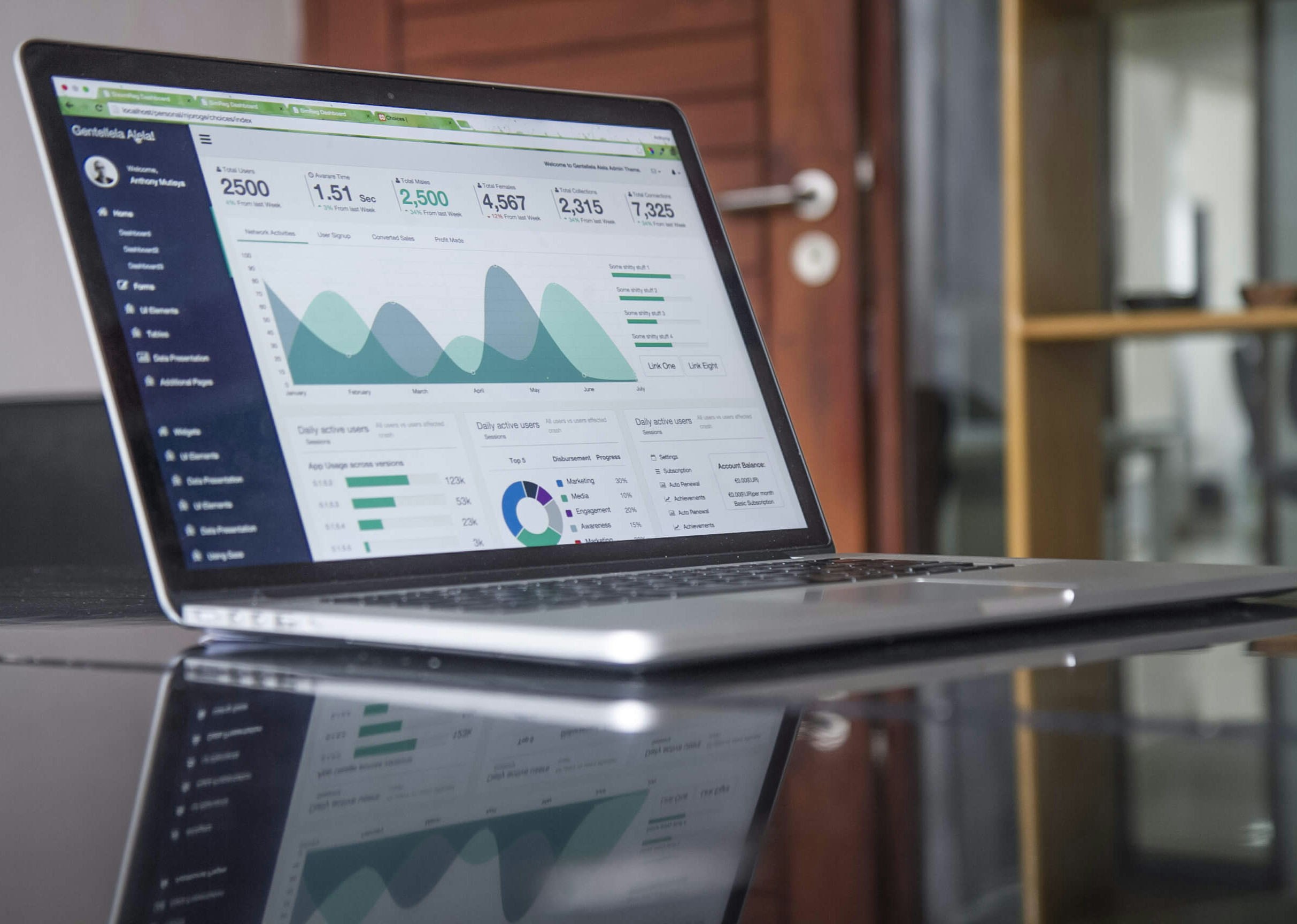
Traffic is a starting point, not the answer
A traffic report can tell you that people visited your website. It cannot, by itself, tell you whether local searchers found the right service page, reached your contact options, submitted a useful inquiry, or received a response.
For a local business owner, the most useful website review is built around decisions:
- Are people seeing the site in Google Search?
- Are important service pages attracting visits?
- Are visitors reaching a contact, quote, or booking path?
- Are submitted forms turning into usable business records?
- Are inquiries that arrive after hours being handled?
You do not need to become an analytics specialist to ask these questions. You do need to understand what each system can—and cannot—show.
Google Search Console reports search performance, including queries, pages, clicks, impressions, click-through rate, and average position. Google Analytics collects and analyzes activity on your website or app through its configured property and reports. They answer related but different questions. Google Search Console Performance report and Google Analytics documentation explain the distinction.
Table of contents
- Use three sources of information
- The five metrics groups worth reviewing
- A practical monthly analytics review
- What to do when a metric changes
- Avoid common reporting mistakes
- A short note on privacy and tracking
- When you do not want to manage analytics yourself
Use three sources of information
A useful local-business reporting process separates search visibility, onsite behavior, and actual inquiries.
| Source | What it can help you understand | What it cannot prove on its own |
|---|---|---|
| Google Search Console | How Google Search users encountered your pages: queries, impressions, clicks, CTR, pages, and average position | Whether a visitor contacted you, was qualified, or became a customer |
| Website analytics | What visitors did after arriving: page views, navigation, engagement, and tracked actions | Whether every form submission reached your inbox or resulted in revenue |
| Your form inbox, CRM, booking system, or call records | Whether an inquiry was received and how your team handled it | Exactly which search query or page caused every outcome unless tracking is configured reliably |
Search Console: “Did people see and choose our result?”
Search Console is the place to look for search-related patterns. Its Performance report can show:
- Impressions: how often a page appeared in Google Search results
- Clicks: how often searchers selected the result
- Click-through rate (CTR): clicks divided by impressions
- Queries: searches associated with your site’s appearance
- Pages: which pages appeared or received clicks
- Average position: an aggregated measure of where results appeared
These numbers are useful for diagnosing visibility and relevance. For example, a service page that receives impressions for a relevant service query but few clicks may need a clearer page title, meta description, or page content.
But do not treat average position as a precise local ranking report. Search results vary by searcher, location, device, query, and other factors. A single average-position number should be treated as a signal to investigate, not a promise about where every nearby customer sees your business.
Website analytics: “What did people do after arriving?”
Website analytics can help you understand onsite behavior after a visit. Depending on how the property and events are configured, you may be able to review:
- Visits or users
- Pages viewed
- Landing pages
- Navigation to service, contact, pricing, or booking pages
- Tracked actions such as form submissions, phone-link clicks, or appointment-link clicks
- Device categories, including mobile and desktop
This is where you can see whether visitors who land on a service page appear to move toward an inquiry path—or leave without reaching one.
Analytics reports depend on correct setup. A missing tracking tag, an incorrectly configured event, consent settings, filters, attribution choices, or reporting changes can all affect the data you see.
Lead records: “Did an actual inquiry arrive, and what happened next?”
Your own records are the source of truth for whether a form submission, call, or booking request reached the business.
At minimum, keep a simple record of:
- Date and time received
- Inquiry type or service requested
- Contact method
- Whether the inquiry was legitimate or spam
- Whether someone responded
- Outcome, if your business tracks one
This does not require gathering unnecessary personal information. The purpose is to make sure the business can distinguish an analytics event from a usable inquiry and spot operational gaps.
For example, a tracked “form submit” event may look healthy in analytics while the inbox receives mostly spam—or while real messages are being missed. A lead log can reveal that mismatch.
The five metrics groups worth reviewing
Instead of trying to monitor every number in a dashboard, review a small group of metrics tied to a business decision.
1. Search impressions and clicks for important services
Start with the pages that matter most: your primary service pages, location pages, contact page, or pages for currently available services.
In Search Console, review:
- Impressions
- Clicks
- CTR
- Queries associated with each key page
Ask:
- Which service pages are receiving search impressions?
- Are the queries relevant to what the page actually offers?
- Did a page receive fewer clicks than usual?
- Are searchers seeing the page but choosing other results instead?
A low CTR is not automatically a problem. It may reflect a broad query, the type of search result shown, or a change in demand. But it can be a reason to check whether the page title and description clearly state the service, service area, and next step.
Before changing copy, make sure the page answers the basic questions a prospective customer may have. This checklist for local business service pages can help you review the information that should be present before someone requests a quote.
2. Traffic to the pages that should produce inquiries
Total website traffic can rise because a blog post, old announcement, or general-information page gained visits. That may be useful, but it is different from seeing visitors reach pages that explain a core service.
Review landing-page traffic for:
- Main service pages
- Service-area pages
- Contact and quote-request pages
- Booking pages
- Seasonal or limited-time service pages
Compare the current period with a previous comparable period, and look for meaningful changes rather than reacting to a single day.
If traffic to one service page falls, first verify the basics:
- Is the page still published and accessible?
- Does it still appear in Search Console?
- Did the search queries associated with it change?
- Has the business changed the service, availability, or service area?
- Did you recently update the page, navigation, or URL?
If the page is available but unclear, improve the information before assuming the problem is traffic alone. Clear service descriptions, boundaries, pricing context where appropriate, and a direct next step can make the page more useful to visitors. See how to write website copy that gets local customers to call.
3. Contact-path activity
A visitor does not need to submit a form to show interest. They may click a phone number, open a map, follow a booking link, visit a contact page, or start a quote form.
If your analytics is configured to track them, review actions such as:
- Contact-page views
- Clicks on phone links
- Clicks on email links
- Clicks to a third-party booking system
- Quote-form starts
- Form submissions
- Thank-you page views after a successful form submission
These metrics can help identify friction in the path to contact. For example:
- A service page gets visits, but few people reach the contact page.
- Visitors reach the contact page, but few begin the form.
- Many people begin a form, but few reach the thank-you page.
None of those patterns proves the cause. But each gives you a practical place to inspect.
On a phone, check that the call button is easy to find, forms are readable, and key contact options do not require excessive scrolling. Mobile usability matters because a local customer may be trying to contact you quickly from a phone. Read more about why your website has to work on a phone first.
4. Form quality, not just form volume
A form-submission count is incomplete if it includes spam, test messages, duplicate requests, or submissions your team never sees.
Each month, compare:
- Tracked form submissions in analytics
- Messages that arrived in the business inbox or CRM
- Legitimate inquiries
- Spam or irrelevant submissions
- Inquiries that received a response
If the counts differ substantially, investigate before making a marketing decision. The issue may be a form configuration problem, event-tracking issue, spam issue, email-delivery issue, or reporting mismatch.
Avoid solving this by asking for excessive information in a contact form. A local business often needs only enough information to understand the request and reply. For more practical privacy considerations, review the local business website lead form privacy checklist. If spam is affecting reporting and staff time, see how to reduce spam on a local business contact form.
5. Lead-response coverage, especially after hours
Website analytics can report a form event. It cannot tell you whether your team replied promptly, whether the message was missed, or whether the contact method worked when the office was closed.
Review lead records for:
- Time of day inquiries arrive
- Messages received outside business hours
- Whether an owner or staff member saw the inquiry
- Whether a response process exists for evenings, weekends, or busy periods
- Whether form notifications reach the right inbox or people
This is especially important if website activity occurs when no one is watching the inbox. Businesses should prepare for the possibility that inquiries arrive after hours, rather than assuming every lead will be handled during the workday.
For a process focused on the operational side, read how local businesses should handle website leads that arrive after hours and how to stop missing new inquiries with lead notifications.
A practical monthly analytics review
Set aside 30 to 45 minutes once a month. Use the same period each time, such as the previous calendar month, and compare it with a prior comparable period where useful.
Here is a simple template you can copy into a spreadsheet or notes document.
| Review area | What to record | Question to answer | Possible next step |
|---|---|---|---|
| Search visibility | Impressions, clicks, CTR for priority pages | Are core service pages appearing for relevant searches? | Review page titles, descriptions, headings, and service information |
| Search queries | Relevant and unexpected queries | Does the page match the searches associated with it? | Clarify page copy or create a more appropriate service page when justified |
| Priority page visits | Traffic to service, location, and contact pages | Are visitors reaching pages that explain key services? | Check page accessibility, navigation, internal links, and relevance |
| Contact path | Contact-page views, call clicks, booking-link clicks, tracked form actions | Do visitors appear to reach a clear next step? | Simplify calls to action, improve mobile layout, or inspect broken links |
| Form quality | Analytics submissions versus actual received inquiries | Do tracked events match usable messages? | Check form delivery, tracking, spam controls, and notifications |
| Response coverage | After-hours inquiries and follow-up status | Could legitimate inquiries be missed? | Define who receives and reviews incoming requests |
Keep the notes brief. A useful monthly entry might read:
“The plumbing service page had fewer search clicks than last month, but impressions were similar. Review the page title and contact button on mobile. Two legitimate form inquiries arrived on Saturday; confirm that notifications reach the shared inbox.”
That is more actionable than “traffic was down 12%.”
What to do when a metric changes
If impressions decline
Check whether the decline is isolated to one page or affects several pages. Review the associated queries, page availability, recent site changes, and whether the service remains current.
Do not assume a lower impression total means the business has permanently lost visibility. Search behavior and reporting can change. Use the change as a prompt to check the page and the search data.
If impressions stay steady but clicks decline
This may indicate that people are still seeing the result but selecting it less often. Review the page title and meta description for clarity. Make sure they accurately reflect the page and do not promise more than the business provides.
The page itself should also match the searcher’s likely need. A customer looking for a specific service should not land on a vague general homepage if a clear service page is available.
If service-page visits rise but contact actions do not
Inspect the page as a customer would:
- Is the service clearly explained?
- Is the service area clear?
- Are there visible phone, form, or booking options?
- Does the page work well on a phone?
- Is there unnecessary friction before a customer can ask a question?
- Are key trust details available before the contact step?
You may find a content, layout, or contact-path issue. Analytics can help surface the pattern, but it cannot identify the exact cause without further review.
If tracked form submissions rise but usable inquiries do not
Compare analytics against the inbox or CRM. Check for spam, duplicate submissions, test events, delivery failures, and incorrectly configured tracking.
Do not report form-event totals as qualified leads unless your own records support that conclusion.
If real inquiries arrive but analytics shows no conversions
Your business records may be correct while the tracking is incomplete. Ask whoever manages the website or analytics property to inspect the form-submission event, thank-you page tracking, call-link tracking, and consent configuration.
Avoid common reporting mistakes
Reporting only total traffic
Total traffic is easy to find, but it can hide whether the pages that support your current services are being seen and used.
Treating every tracked action as a lead
A button click or form event is an indication of activity, not automatically a qualified opportunity or sale.
Ignoring mobile behavior
If a page looks fine on a desktop but makes calling or submitting a form difficult on a phone, the analytics report may not make the problem obvious.
Changing too much at once
If you rewrite a page, redesign the contact form, change navigation, and alter tracking in the same week, it becomes harder to understand what changed. Keep a dated record of major website updates.
Looking at reports without checking the actual website
Numbers should lead back to a real inspection. Open the relevant page, test the contact route, and read the page as someone unfamiliar with the business.
A short note on privacy and tracking
Analytics and form tracking should be set up thoughtfully. Reports can be affected by consent choices and privacy settings, and privacy or cookie requirements may apply depending on where you operate and the tools you use.
Collect only the information your business genuinely needs to handle an inquiry. Avoid placing sensitive personal details into analytics labels, URLs, or event names. If you are unsure how tracking or consent requirements apply to your site, consult an appropriately qualified privacy or technical professional.
When you do not want to manage analytics yourself
A monthly review can help you spot questions worth addressing: a service page that needs clearer information, a contact path that needs attention, or a form process that should be checked. It cannot, on its own, prove sales, revenue, or lead quality.
If you want a local-business website that is built and managed for you, StoopCraft builds websites for local businesses and includes on-page SEO as part of its $69/month service. Visit StoopCraft to learn more.
Key takeaways
- Use Search Console for search visibility, website analytics for onsite behavior, and business records for actual inquiries.
- Review priority service pages rather than relying on total traffic alone.
- Treat impressions, CTR, average position, and tracked conversions as diagnostic signals—not guaranteed measures of rankings, leads, or revenue.
- Compare form events with the inquiries that actually reach your business.
- Include after-hours lead handling in your website review so legitimate requests are less likely to be overlooked.
- Keep a short monthly record of what changed, what you checked, and what you plan to improve.