Dog Daycare Website Trust Checklist: What Pet Owners Need to See Before Booking
A practical dog daycare website checklist for publishing clear safety, privacy, supervision, and booking information.
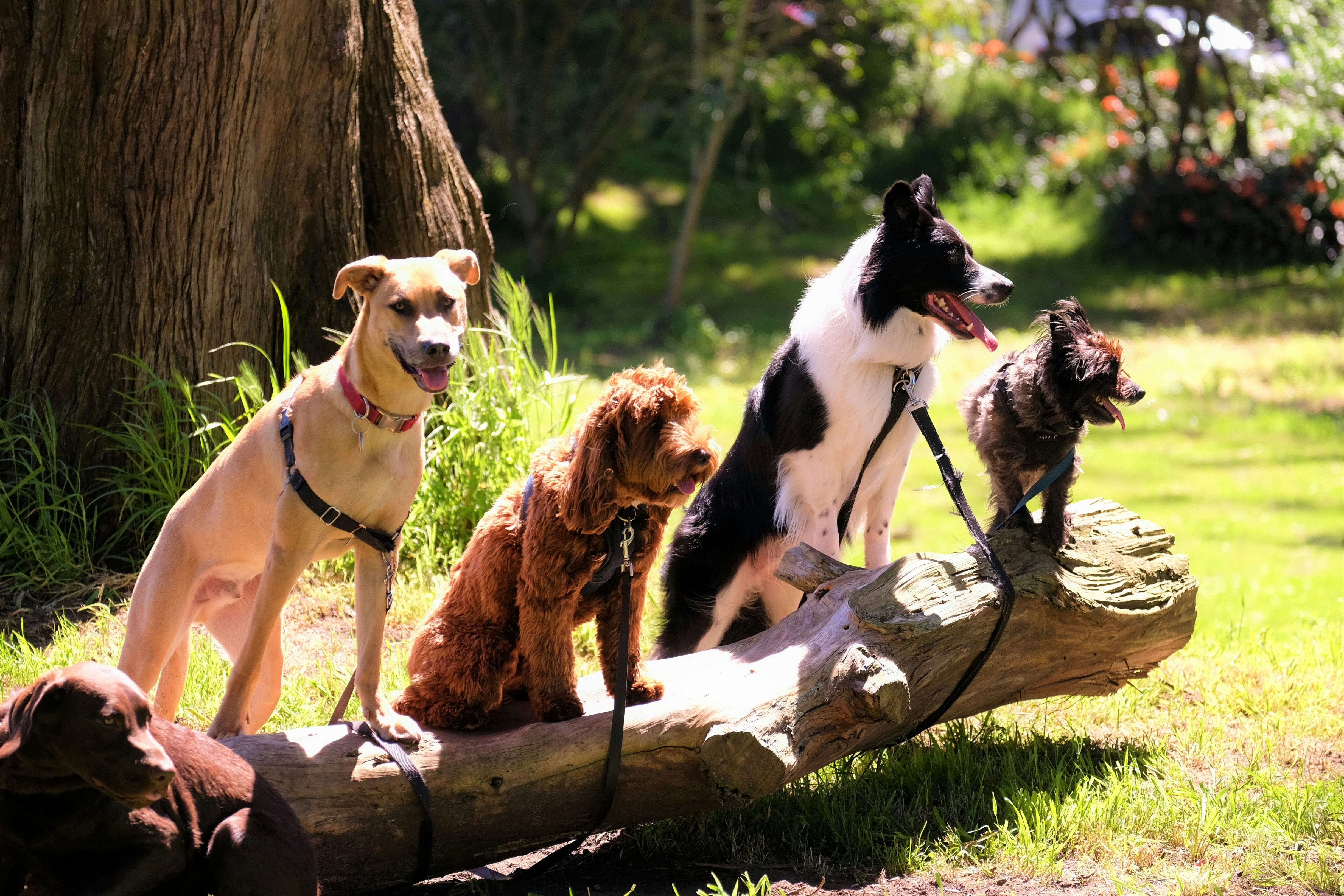
Trust is part of the booking decision
Pet owners are not simply comparing daycare hours and prices. They are deciding who will care for their dog, what the facility is like, how staff supervise animals, and what happens if something goes wrong.
Clear website information cannot replace safe operations, but it can help prospective customers understand the practices your business actually follows before they request a tour or submit a booking inquiry.
That clarity may matter even more when pet owners have privacy questions. In September 2026, Florida news outlets reported that employees found a hidden camera in a bathroom at a dog daycare and that the owner was arrested in connection with the incident. The reports do not establish that other dog daycares have similar issues, nor do they prove a broader change in customer inquiries. They do, however, offer a timely reminder that businesses should be ready to answer reasonable questions about privacy, recording, facility access, and incident communication. ClickOrlando and WFLA reported on the incident.
The key rule: publish only policies and practices you can consistently follow. A vague promise of “the highest level of care” is less useful than a straightforward explanation of how your daycare works.
Table of contents
- The essential trust checklist
- How to explain privacy and cameras responsibly
- What to say about supervision and safety
- Make tours and booking requirements easy to find
- Build an incident-response section before you need it
- A practical page structure for dog daycares
- Common trust-damaging website mistakes
- Related reading
The essential trust checklist
Use this checklist to review your homepage, daycare service page, booking page, and FAQ or policies page. You do not need to put every detail on one page, but visitors should be able to find important answers without having to call first.
1. Identify the business clearly
A first-time visitor should immediately be able to confirm:
- Your business name
- Your physical service area or facility location
- Your phone number and email or contact form
- Current operating hours
- Whether care is day-only, overnight, appointment-based, or offered in another format
- A clear next step, such as “Request a Tour,” “Ask About Availability,” or “Start Enrollment”
If customers cannot tell where you are, what you offer, or how to reach you from a phone, trust drops quickly. Your contact details should also match your Google Business Profile and website where applicable.
2. Explain the services in plain language
Avoid making visitors guess what “daycare” includes. Create a dedicated service section that explains your actual offering, such as:
- Full-day or half-day attendance, if offered
- Drop-off and pickup windows
- Play, rest, feeding, medication, grooming, training, or boarding options only if you provide them
- Whether owners need to bring food, medication, bedding, or personal items
- Any trial day, evaluation, or enrollment process you genuinely use
- Limits on age, behavior, size, health status, or vaccination documentation, if applicable to your policies
Link each service to a fuller explanation rather than crowding all details into one sales paragraph. The goal is not to promise every possible accommodation. It is to help a pet owner determine whether your daycare may be a fit.
3. Publish your enrollment requirements
Pet owners often want to know what happens before their dog joins a group setting. If your business has requirements, state them clearly and keep them current.
That may include:
- Required forms or records
- A meet-and-greet, assessment, or introductory visit, if used
- Health, vaccination, or parasite-prevention requirements that your business actually requires
- Behavior and group-play eligibility criteria
- Arrival instructions for a first visit
- How much advance notice you need for bookings or cancellations
Do not describe a screening process you do not use. If your policies are being updated, remove outdated language before publishing new claims.
4. Show the facility honestly
Photos are a practical trust signal because they help customers see where their dog may spend the day.
Use recent, real photos where possible, including:
- Reception or check-in area
- Indoor play spaces
- Outdoor areas, if available
- Rest or separation spaces, if appropriate to show
- Staff interacting with dogs, with necessary consent
- Visible features that accurately represent the facility
Avoid stock images that make the website look disconnected from the actual location. Real photos help set expectations and can prevent a tour visitor from feeling surprised by the space. For more guidance, see why real photos sell your local business better than stock.
5. Name the person or team behind the care
An About page is useful when it gives prospective customers meaningful context, not just a mission statement.
Consider including:
- Owner or manager names, if you are comfortable publishing them
- A short explanation of relevant experience or roles
- How pet owners can contact the business with care questions
- Staff photos and bios only when accurate and current
- Training, qualifications, certifications, or background-check information only when you can verify it and when it is appropriate to publish
Do not imply every employee holds a credential because one team member does. Do not use staff photos after people have left the business. A simple, accurate team introduction is stronger than inflated credentials.
How to explain privacy and cameras responsibly
Privacy language needs particular care. A website should inform customers without revealing details that could compromise facility security or creating promises your business cannot support.
State whether recording is used in customer-facing areas
If you use cameras, say only what owners need to know to understand your policy. For example:
Our facility uses video monitoring in designated common areas to support operations and safety. We do not discuss camera placement, coverage, or system access publicly. Questions about our recording practices can be directed to [contact method].
Use this example only if it accurately reflects your operations and has been reviewed as appropriate for your business.
Your page can explain:
- Whether cameras are used in designated common areas
- Whether livestream or customer viewing is available, if it truly is
- Who can answer questions about the policy
- Where customers can find your full privacy or recording notice
Do not publish camera locations, blind spots, retention periods, access credentials, passwords, or other operational details that could weaken security.
Be direct about private spaces
If your business has private employee areas, restrooms, treatment areas, or other spaces where recording is prohibited under your policy, a concise statement can help set expectations. Do not make legal claims unless you have professional advice supporting them.
For example:
We respect the privacy of employees and visitors. Recording is not permitted in private areas designated by our policies.
Only publish this if it is true and actively enforced. Because recording rules can vary by location and situation, consult qualified legal counsel before finalizing camera, employee, privacy, or consent language.
Explain how you handle customer information
Your booking form may collect information such as an owner’s name, phone number, email address, emergency contact, and details about a dog’s care needs. Tell people what you collect and why.
A basic privacy notice should cover:
- What information your forms request
- Why you need it
- Who at the business can access it
- How customers can ask questions about their information
- How to contact you about corrections or concerns
Only collect information you need for the inquiry, enrollment, or care process. Review your forms regularly with the guidance in this local business website lead form privacy checklist.
What to say about supervision and safety
Owners should not have to infer your approach to care from a few cheerful dog photos. A good safety section explains the broad practices you follow without exposing sensitive procedures.
Describe your real supervision approach
Use clear, non-technical language. Depending on your actual procedures, you may explain:
- Whether dogs are supervised during group activities
- How you decide which dogs can participate together
- Whether dogs receive rest periods or quiet time
- How staff communicate with owners during the day
- How you handle feeding, medication, or special instructions, if those services are available
- What happens when a dog needs to be separated from group activity
Be careful with absolute promises. “Dogs are never left unsupervised” is a major claim that should only appear if it is literally true in every circumstance. If your operation varies by service, space, time of day, or dog needs, explain the policy accurately instead of relying on absolutes.
Publish emergency information at the right level
Your website should tell owners that you have an emergency response process, but it does not need to reveal detailed facility-security plans.
A useful public-facing section may state:
- The primary contact method for urgent owner questions
- Whether the enrollment process includes emergency-contact information
- Whether you ask owners to provide veterinary contact details
- How the business communicates with an owner if an incident affects their dog
- Where customers can find current closure or operational updates
Do not claim you provide veterinary care, emergency transportation, medical treatment, or other services unless you actually provide them and can accurately describe the arrangement.
If your facility must close or change operations because of a local emergency, your site should have a clear update location. The approach in what to put on your local business website during a prolonged power outage can help you plan that communication.
Make incident communication part of the trust promise
Every business hopes an incident never occurs. Still, pet owners reasonably want to know how they will hear from you if their dog is injured, becomes ill, gets into a conflict, or cannot continue participating that day.
Your website can explain the communication standard you actually follow, such as:
- Who contacts the owner
- Which contact information you use
- When you ask owners to provide an alternate emergency contact
- Where owners should direct concerns after an incident
- How customers can request a copy of applicable business policies
Do not promise immediate updates if you cannot reliably provide them. Clear and realistic language is more credible than a sweeping guarantee.
Make tours and booking requirements easy to find
A tour request is often the right next step for a careful pet owner. Make it easy to take without forcing someone to hunt through your navigation.
Put a tour CTA in high-visibility places
Use a clear button or link on:
- The homepage
- The daycare service page
- The safety and facility page
- The contact page
- The end of your enrollment requirements
Good labels include:
- Request a Facility Tour
- Ask About Daycare Availability
- Start the Enrollment Process
- Contact Our Team With Care Questions
Avoid vague buttons such as “Learn More” when the visitor is ready to act.
Set expectations before the form
Near the form, tell visitors:
- What happens after they submit
- What information you need from them
- Whether the request is for a tour, availability, enrollment, or a general question
- Whether submission confirms a booking or simply starts a conversation
For example:
Send us your preferred tour time and a few details about your dog. We’ll review your request and follow up about availability and next steps.
That is more honest than treating a general contact form as an instant reservation system.
Keep the form short at the first-contact stage. Name, contact details, dog name, basic service interest, and a message field may be enough. You can request fuller care information once the conversation moves forward.
Build an incident-response section before you need it
A website is not the place to litigate a complaint or publish unverified details about an active situation. It should, however, provide a dependable path for people who need to reach the business.
Create a small, easy-to-find “Questions or concerns” section with:
- A monitored phone number or email address
- Normal response hours, if you publish them
- An instruction to call rather than use a form for time-sensitive matters, if that is your real process
- A link to relevant policies
- A calm, respectful statement that the business takes concerns seriously
If a complaint becomes public, resist the urge to post a rushed, defensive response. First confirm facts, decide what you can responsibly say, and make sure contact details and operating updates are accurate. Read how local businesses should respond to a viral customer complaint on their website for a broader website-response framework.
A practical page structure for dog daycares
You do not need an oversized website to cover the essentials. A straightforward structure can work well:
Homepage
Include:
- Who you serve and where
- Core daycare services
- Current hours
- Real facility or team photos
- A visible tour or inquiry CTA
- A short link to safety, privacy, and enrollment information
Daycare service page
Include:
- What a day of care may involve
- Available service options
- Drop-off and pickup expectations
- What owners should bring
- Eligibility and enrollment steps
- A request-a-tour or ask-about-availability CTA
Safety and facility page
Include:
- General supervision practices
- Grouping or separation approach, if applicable
- Emergency-contact and communication approach
- Facility photos
- A link to your privacy or recording policy
Policies and privacy page
Include:
- Cancellation or no-show policy
- Enrollment requirements
- Recording and privacy disclosures, where applicable
- Form and customer-data privacy information
- Contact details for questions
If cancellations are part of your operation, write them plainly. This guide to explaining cancellation and no-show policies on your website can help you make the policy easier to understand.
Contact or tour page
Include:
- Phone, email, location, and hours
- A short tour or inquiry form
- Directions or map information, if appropriate
- Clear instructions for urgent versus non-urgent questions
- What happens after a form submission
A strong contact page removes friction rather than adding it. Review these contact page mistakes that cost local businesses leads before publishing yours.
Common trust-damaging website mistakes
Using generic safety promises instead of specifics
“Your pet is our family” may be well intended, but it does not explain your policies. Replace it with accurate details about services, enrollment, supervision, communication, and facility tours.
Hiding policies in a PDF or an unreadable block of text
Important policies should be easy to scan on a phone. Use headings, short paragraphs, and links to full documents when needed. Your website must be usable when a customer is standing in a parking lot or comparing options on their phone; see why your local business website has to work on a phone first.
Publishing claims you cannot verify
Do not say you have constant monitoring, certified staff, background checks, a certain staff-to-dog ratio, or a particular security system unless those statements are accurate, current, and supportable.
Revealing sensitive security information
Customers deserve meaningful privacy disclosures. They do not need a public map of cameras, access systems, or facility vulnerabilities.
Leaving outdated information online
Old hours, former staff bios, expired policies, broken booking links, and stale facility photos can make visitors question everything else on the site. Put a recurring website review on the calendar. This local business website maintenance checklist is a useful starting point.
Make the website match the operation
A trustworthy dog daycare website does not need dramatic claims. It needs clear, current answers to the questions a careful pet owner is likely to ask:
- What service do you provide?
- Where will my dog be?
- Who can I contact?
- How do I request a tour?
- What are your enrollment requirements?
- How do you approach supervision and communication?
- What privacy practices apply to recording and customer information?
Review those answers with the people who run the facility, not just the person updating the website. Then publish only what your business can stand behind.
If you want help turning accurate policies and service details into a clear local-business website, StoopCraft builds websites for local businesses and includes on-page SEO as part of its $69/month service.
Related reading
- What to put on a local business About page: a practical trust-building checklist
- What to include on a local business service page before customers request a quote
- How to create a local business website FAQ page that helps customers take the next step
- How to get more Google reviews for your local business — the right way