Affordable Housing Development Website Checklist for Local Developers
A practical checklist for publishing clear, current affordable housing project information from construction through leasing.
Build one reliable source of project information
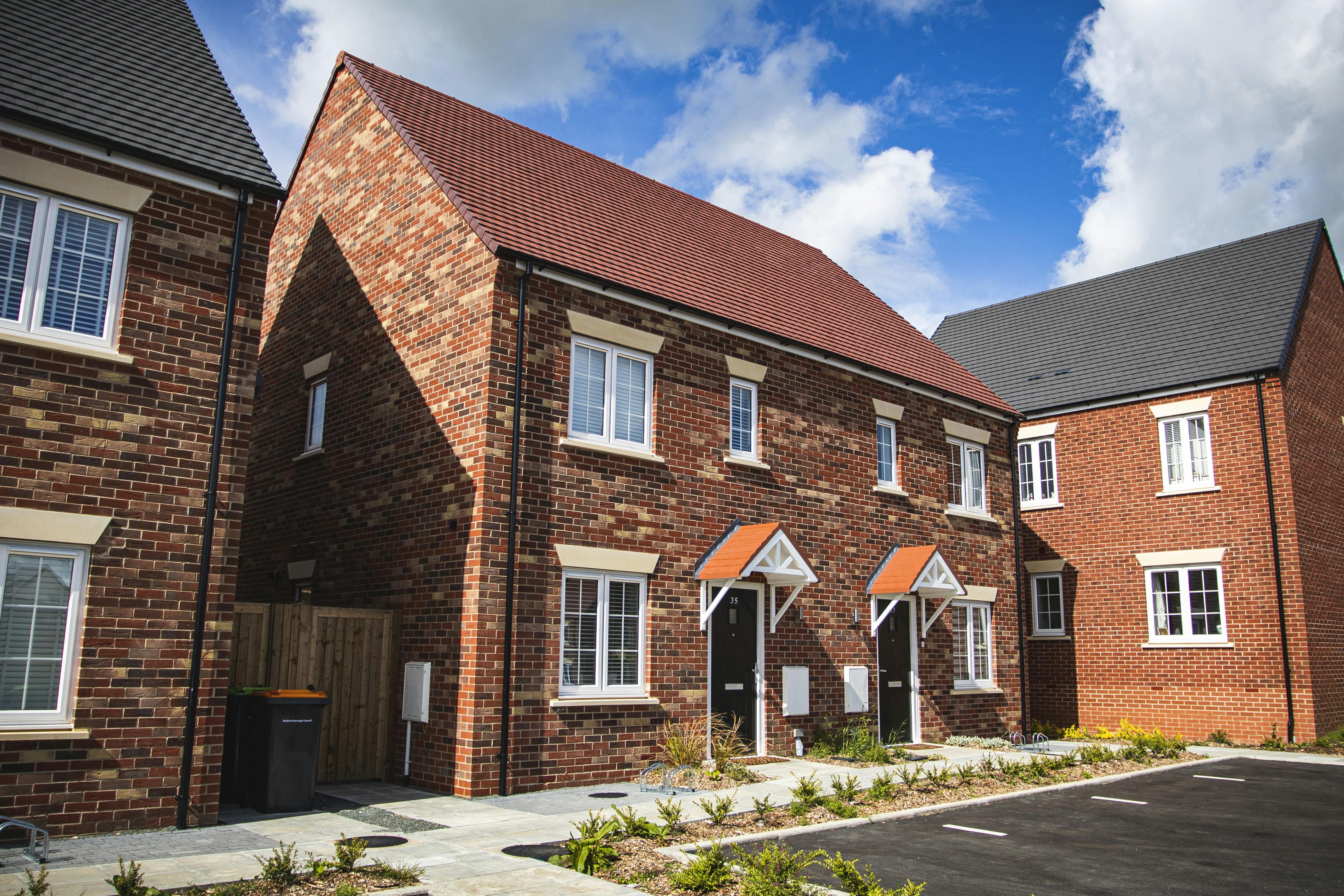
A new affordable housing development in Port Jefferson is a timely reminder that project information changes in public view. News 12 and Newsday report that construction has begun on a 52-apartment affordable housing development there.
Those reports do not establish the project’s eligibility rules, application dates, leasing process, or expected completion date. Those details should always come from the official developer, municipality, housing authority, or other authorized project source.
For developers, property managers, and community organizations, a project website can serve as the place where people verify current information rather than relying on an old article, a social-media post, or an incomplete third-party listing. That matters throughout the project lifecycle: during construction, before applications open, while applications are being accepted, and after homes are leased.
This checklist focuses on making high-stakes information clear, findable, dated, and easy to confirm.
Table of contents
- Start with a clear project overview
- Publish eligibility and application details carefully
- Create a page for construction and availability updates
- Make official documents easy to find
- Give people a dependable way to contact the project team
- Design for phones and accessible use
- Prevent outdated information from misleading visitors
- Use a practical publishing workflow
- A pre-publish checklist
Start with a clear project overview
The homepage or dedicated project landing page should answer the basic questions before a visitor has to download a document or contact someone.
Include:
- The project’s official name
- The full street address or a clearly stated location description, if the address is not yet public
- The municipality, neighborhood, and county
- A short plain-language description of the development
- The total number of units, but only when confirmed by an official project source
- The current project stage, such as “under construction,” “applications not yet open,” “applications open,” or “fully leased”
- The date the page was last reviewed or updated
- A link to the official application, notice, or document center when available
Avoid broad language such as “coming soon” without context. A visitor should be able to tell whether “soon” means construction has begun, applications are expected later, or leasing has already started.
For example, instead of:
Affordable apartments coming soon. Contact us for details.
Use a status-based message:
Current project status: Construction is underway. Application information has not yet been published. This page will be updated when an official application process is announced.
That wording does not promise a date or process that has not been confirmed. It also gives visitors a reason to return to the official page.
Publish eligibility and application details carefully
Affordable housing eligibility, income limits, household-size requirements, preference categories, required documents, and selection procedures can vary by project and program. Do not copy requirements from another development or rely on a generic affordability chart.
When official requirements are available, place the most important details on an easy-to-scan web page and link to the complete official notice or application materials.
Information to publish when authorized
Your eligibility page may include:
- Whether applications are open, closed, pending, or waitlist-only
- The official application opening and closing dates and times
- The source that administers or accepts applications
- The official income and household-size information, if provided
- Unit types and bedroom counts, if confirmed
- Any documented geographic, residency, employment, veteran, disability, or other preference information exactly as stated in the official materials
- Required application documents, if published by the administering organization
- How applicants can request language or accessibility assistance
- A direct link to the official application portal, downloadable form, or instructions
- What happens after submission, if the project’s official process explains it
Keep interpretation separate from source material. If a rule is complicated, do not rewrite it in a way that changes its meaning. Use a short summary, then point visitors to the full official document and the authorized contact for questions.
What not to publish without verification
Do not guess at:
- Income thresholds
- Rent amounts
- Application deadlines
- Move-in dates
- Lottery procedures
- Documentation requirements
- Eligibility based on protected characteristics
- Accessibility features or accommodation procedures
- Unit availability
If any of these details change, update the main page first, then check PDFs, FAQs, forms, news posts, and social-media links for conflicting older information.
Create a page for construction and availability updates
Construction and leasing are separate stages. A project website should make that distinction obvious.
A simple updates page can reduce ambiguity by publishing short, dated notices whenever there is material news. It does not need to become a stream of promotional posts. Its job is to create an accurate record of what the public should know now.
Useful update categories
Use clearly labeled update types, such as:
- Construction update
- Application notice
- Application deadline update
- Leasing update
- Availability update
- Public meeting notice
- Document update
- Contact-information update
Each post should include:
- A specific headline
- A publication date
- The current status
- The action visitors should take, if any
- A link to the authoritative document or contact channel
- A note identifying which older notice has been replaced, when relevant
For instance:
Application deadline extended — updated October 12
The official application deadline has changed. Review the current notice and application instructions at the link below. Earlier deadline information on this site no longer applies.
That is more useful than silently replacing a date in one paragraph while leaving an old announcement visible elsewhere.
Keep availability language precise
“Available,” “accepting applications,” “waitlist open,” and “leasing soon” can mean very different things. Use the exact status the authorized project team has confirmed.
If no units are currently available, say so clearly. If a waitlist exists but no homes are available, state that distinction. If applications have not opened, do not invite people to apply through a generic contact form.
Make official documents easy to find
People often need documents they can download, print, share with a family member, or bring to a counselor or community organization. Burying them in a news post makes verification harder.
Create an “Official Documents” or “Resources” page with direct links to current materials.
Possible documents include:
- Official application instructions
- Application forms or portal links
- Public notices
- Income and eligibility tables, when officially published
- Tenant-selection plans, if public and appropriate to publish
- Site plans or project descriptions
- Public meeting materials
- Accessibility or language-assistance information
- Contact sheets for the developer, manager, housing authority, or administrator
For every document, show:
- The document title
- The publication or revision date
- The file type, such as PDF
- A short description of what it contains
- Whether it replaces a previous document
Do not leave superseded documents in the same list without a clear “archived” label. A visitor should not have to compare timestamps across five PDFs to identify the current version.
Give people a dependable way to contact the project team
A project may need separate contacts for general project questions, construction concerns, application assistance, leasing, media, and community outreach. A single unmonitored inbox can create confusion, particularly when an application period is active.
Your contact page should identify:
- The purpose of each contact channel
- The organization or role responsible
- A phone number and email address where authorized
- Office hours, if applicable
- A mailing address when relevant
- The preferred method for application questions
- A clear note that a website contact form is not an application, if that is the case
Keep forms short. Collect only what the project team actually needs to respond to a general inquiry. A person should not have to submit income, identification, health information, or other sensitive documents through a basic website contact form unless the official process specifically supports a secure submission method.
For more form-review guidance, see Local Business Website Lead Form Privacy Checklist and 7 Contact Page Mistakes That Cost Local Businesses Leads.
Design for phones and accessible use
Many visitors will reach a project page from a phone after seeing a local news report, a flyer, a community post, or a search result. The core information should work without pinching, zooming, or opening a difficult-to-read PDF.
Prioritize:
- Large, readable body text
- Clear page headings
- High-contrast buttons and links
- Descriptive link text, such as “Download current application instructions,” rather than “Click here”
- Click-to-call phone numbers
- Forms that can be completed on a phone where appropriate
- PDFs that are readable and properly named
- Text summaries for critical deadlines and status notices
- A simple language-assistance or accessibility-request contact route when one is available
Do not rely on an image of a flyer as the only place where deadlines or application instructions appear. Put essential text on the page itself.
Mobile usability is especially important for pages that contain time-sensitive notices. Read Why Your Local Business Website Has to Work on a Phone First for a broader mobile-first review checklist.
Prevent outdated information from misleading visitors
The biggest content risk on an affordable housing project website is not a missing blog post. It is an old deadline, obsolete application link, or outdated availability claim that remains visible after circumstances change.
Use these safeguards:
Put a “last updated” date near critical details
Display it near application status, deadlines, availability, and contact instructions. Do not use a vague sitewide copyright year as a substitute.
Maintain one source of truth for each fact
Before publishing, decide where the definitive version of each item lives:
| Information | Primary source on the site |
|---|---|
| Project status | Project overview page |
| Application period | Eligibility and application page |
| Official forms and notices | Documents page |
| Current availability | Availability notice or leasing page |
| General inquiries | Contact page |
Other pages can link back to the source-of-truth page instead of repeating a deadline or availability count that may later change.
Redirect or label old announcements
When a notice is no longer current, add a visible update at the top:
This notice has been replaced. View the current application information.
Do not simply delete all older updates if they provide useful public context. Archive them clearly, and make the current notice easier to find.
Review every public channel after a change
When a deadline, contact, or application link changes, check:
- The homepage
- The application page
- The document library
- The FAQ or help content
- Downloadable PDFs
- Social-media profile links
- Google Business Profile information, if a profile is used
- Email auto-replies and voicemail messages
A consistent website and local listing can make it easier for visitors to confirm they have reached an official source. See Google Business Profile and Your Website: How They Work Together to Get You Found.
Use a practical publishing workflow
Project communication is easier when updates do not depend on a last-minute scramble.
Assign responsibility for four recurring tasks:
- Fact approval: Who confirms that a date, availability status, document, or policy statement is ready to publish?
- Website publishing: Who updates the official page and document links?
- Cross-channel review: Who checks related posts, profiles, and notices for old information?
- Ongoing monitoring: Who reviews the website on a set schedule during construction, application windows, and leasing?
Before an application period or major announcement, prepare a small set of pages in advance:
- Project overview
- Eligibility and application instructions
- Official documents
- Contact page
- Current updates page
- Plain-language “not yet open” or “closed” notice, ready to publish when needed
This setup helps the team publish only confirmed facts when the status changes.
A pre-publish checklist
Before publishing or updating an affordable housing development page, confirm:
- [ ] The project name and location match official records.
- [ ] Unit-count information is confirmed by an authorized source.
- [ ] The project stage is clear: construction, applications pending, applications open, waitlist, leasing, or fully leased.
- [ ] Every deadline has a date, time, and time zone when applicable.
- [ ] Eligibility language matches the current official materials.
- [ ] Application links go to the correct official destination.
- [ ] The page states whether a contact form is an application or only a general inquiry tool.
- [ ] Current availability is not overstated.
- [ ] Key documents have titles and revision dates.
- [ ] Replaced notices are labeled or archived.
- [ ] Phone numbers, email addresses, and office hours have been tested.
- [ ] Critical information is readable on a phone.
- [ ] A designated person has reviewed the page for accuracy.
- [ ] The page shows when it was last updated.
Keep the website useful after the announcement
The Port Jefferson development reported by News 12 and Newsday shows why local affordable housing projects may receive public attention at the construction stage. But the initial announcement is only one moment in a longer communication process.
A useful project website should continue to distinguish confirmed information from information that is not yet available. It should make official documents easy to locate, tell visitors what action to take now, and visibly retire old instructions when they no longer apply.
StoopCraft builds websites for local businesses and includes on-page SEO as part of its $69/month service. If your development team needs a clear, maintainable project-information site, visit StoopCraft to learn more.