What Every Landscaping and Lawn Care Website Needs to Win More Clients
What a landscaping or lawn care website needs to win both weekly maintenance clients and big-ticket design projects, explained plainly.
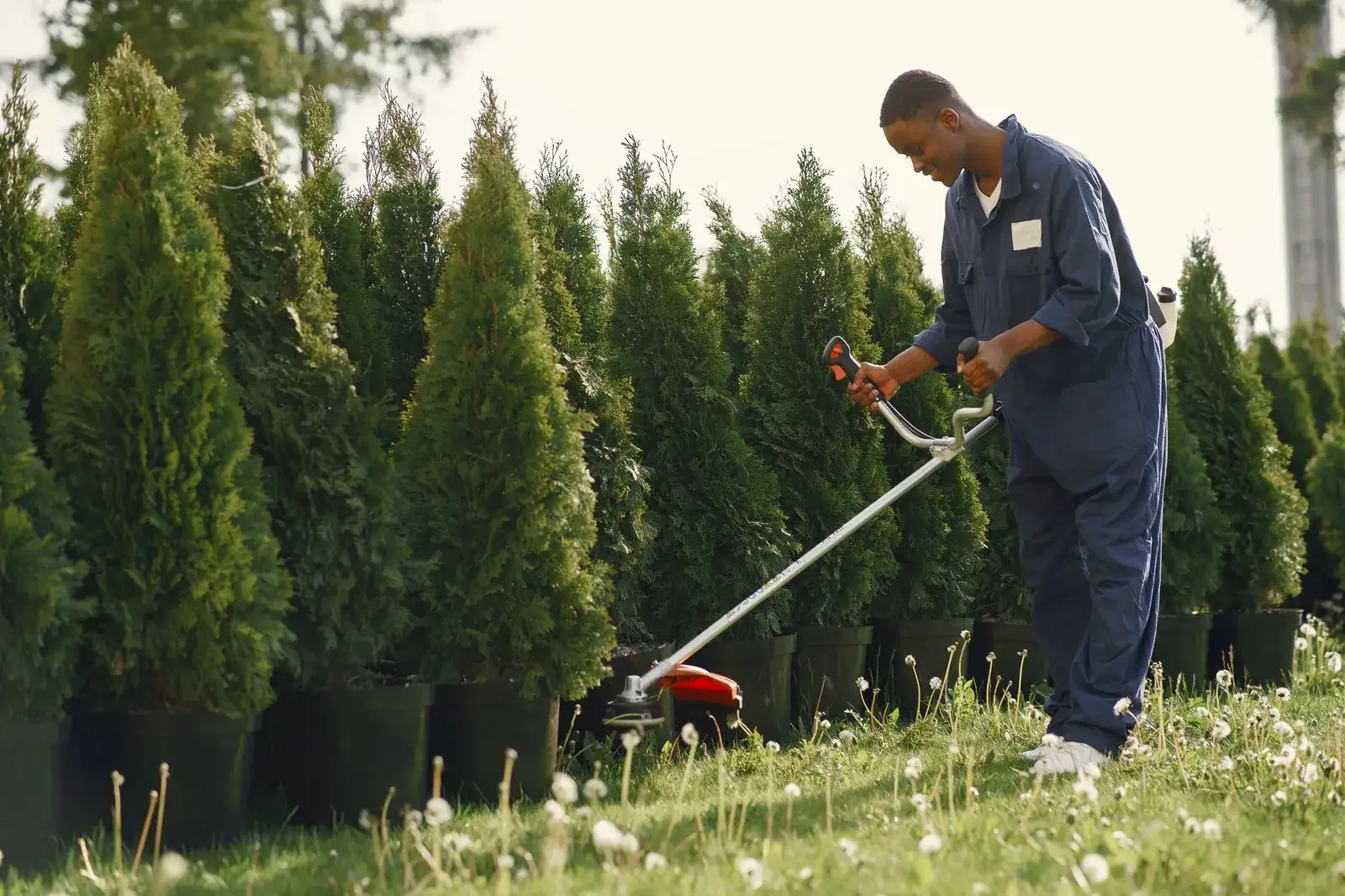
A homeowner searching "lawn care near me" on a Tuesday morning and a homeowner who just got a landscape design quote for a new patio are both potential customers for the same company. They are not, however, making the same decision. One is comparing weekly rates and reliability. The other is sizing up whether you can be trusted with a five-figure backyard project. A landscaping website has to speak to both without confusing either one.
That's what makes landscaping and lawn care different from a lot of other local service sites. Most trades sell one kind of job. Landscaping companies often run two businesses under one name: recurring maintenance (mowing, edging, fertilization, cleanups, snow removal) and project or design-build work (patios, retaining walls, planting design, sod and irrigation installs). Here's what the site needs to do to serve both.
Two customers, two decisions
The maintenance customer wants to know: do you cover my neighborhood, what does a season or a route typically look like, and can I trust you to show up on schedule. They're often comparing a few companies on price and reliability, and they decide fast.
The project customer wants to see proof before they'll even request a quote: photos of real finished work, a sense of your design style, and confidence that a company this size can handle a job this large. They take longer to decide, and a bigger check is on the line.
A site that only shows a mowing truck and a phone number undersells the design work. A site that's all glossy hardscape renderings and no mention of weekly service can make a maintenance customer wonder if you're too upscale for a simple mowing route. The fix isn't a bigger website — it's a clearer one.
What the site needs to cover both sides
1. Services organized by maintenance vs. projects, not one long list
What it is: two clear paths from your homepage — one for ongoing lawn and property care, one for design and installation work — instead of a single services page that mixes mowing, mulching, and paver patios together.
Why it matters: a visitor shouldn't have to read your whole services page to figure out whether you handle small routine jobs, big one-time projects, or both. Mixing them into one list makes both look smaller than they are.
How to do it well: give each side its own section or page, with services named the way a homeowner actually thinks about them — "weekly mowing," "spring and fall cleanups," "patios and walkways," "retaining walls" — rather than internal category names.
2. Real photos of your own finished work
What it is: photos of projects you actually completed and crews actually doing the work, not stock photography of a generic green lawn or someone else's paver patio.
Why it matters: landscaping is one of the few trades where the final result is entirely visual. A homeowner deciding whether to trust you with their yard wants to see other yards you've already handled, not a stock photo that could belong to any company in the country.
How to do it well: use true before-and-after pairs where you have them — they're especially persuasive for cleanups, sod installs, and hardscape jobs — but a gallery of well-lit finished-project photos works too when a clean before shot doesn't exist. Never present a stock image as if it's your own project.
Don't let one gallery blur two businesses
If your project photos and your routine maintenance photos live in the same unsorted gallery, a homeowner looking for a patio has to scroll past mowing shots to find design work, and vice versa. Group photos by project type, the same way you grouped your services.
3. A portfolio that's organized, not dumped
What it is: a gallery sorted by project type — patios, retaining walls, planting beds, lawn renovations — rather than a single feed of every photo you've ever taken.
Why it matters: someone who wants a walkway doesn't want to scroll through forty photos of other people's landscaping to find one relevant example. An organized portfolio also signals that you've done enough of that specific job to be good at it.
How to do it well: a handful of strong, categorized photos beats a hundred unsorted ones. If you're just starting to build a project portfolio, prioritize your best and most recent work over completeness.
4. A quote-request form built for both kinds of buyer
What it is: a short form asking for name, phone or email, property address or general area, and whether the request is for ongoing service or a specific project.
Why it matters: a maintenance quote and a project quote need different follow-up. Knowing which one you're dealing with before you call back saves you a wasted trip and lets you respond with the right information the first time.
How to do it well: keep it short — a long form built like a full project intake will scare off someone who just wants a mowing estimate. Always leave the option to just call instead, since some homeowners would rather talk than type.
5. Service area laid out clearly
What it is: a plain statement of the towns, neighborhoods, or radius you actually serve.
Why it matters for landscapers specifically: recurring routes are geographically constrained in a way project work often isn't — a crew doing weekly mowing can usually only cover so much ground efficiently, while a design-build crew might reasonably drive further for a large one-time job. If your site is vague about area, you'll field calls from outside your route and disappoint people who assumed you cover them.
How to do it well: list the specific towns or zip codes you serve, and if your maintenance and project radius genuinely differ, say so rather than leaving it to guesswork.
6. Seasonal and recurring service framing, kept conditional
What it is: content that helps homeowners think ahead — spring cleanups, fall aeration and overseeding, snow removal — tied to the time of year they're usually relevant.
Why it matters: landscaping demand genuinely shifts with the seasons, and a site that only talks about mowing in July misses the months when cleanup and prep work matter most.
How to do it well: describe what each seasonal service involves and roughly when homeowners tend to book it, without promising a guaranteed rush of business. Demand for seasonal work can rise heading into a season or after weather events, but that depends on your area and the year — treat it as a reason to plan ahead, not a certainty to advertise.
7. Reviews you didn't write yourself
What it is: real customer reviews pulled from a platform you don't control, like Google, instead of quotes typed onto a testimonials page.
Why it matters: a testimonials page you wrote is exactly as convincing as no testimonials page. Independently verifiable reviews carry more weight because a skeptical homeowner can go check them.
How to do it well: link to or embed your actual Google reviews. Groups like the National Association of Landscape Professionals also offer certifications some companies use as an additional credibility signal — worth mentioning briefly if you hold one, not worth implying if you don't.
8. Financing information, only if you actually offer it
What it is: a short section explaining payment plans or financing partners for larger jobs, shown only if that's real.
Why it matters: a full yard renovation or a large hardscape project can run into real money, and financing can be the difference between a homeowner saying yes now or waiting another year. But implying financing exists when it doesn't creates a bad conversation the moment someone asks for details.
How to do it well: if you partner with a financing provider, name it and explain roughly how it works. If you don't offer financing yet, leave the topic off the site — it's easy to add once it's real.
9. A fast, photo-heavy site that still loads quickly on a phone
What it is: a mobile experience that loads quickly even with a site full of project photos, not a desktop layout shrunk down to fit a smaller screen.
Why it matters: landscaping sells on images more than almost any other trade, which makes it easy to end up with a page full of oversized photos that crawl to load on a phone. Most homeowners are searching on their phone, often standing in their own yard.
How to do it well: compress your photos before uploading them, and test your actual site on your own phone over cellular data rather than office wifi. A free tool like Google's PageSpeed Insights will show you where a slow page is losing people.
Bringing it together
None of this requires two separate websites. It requires one site that's honest about running two businesses — the recurring work that keeps trucks busy every week, and the bigger projects that build your reputation and your revenue. Organize around that split, back it up with your own photos, and make it easy for either kind of customer to reach you, and the site does its job.
For the broader fundamentals every local business site should have, see The Local Business Website Checklist. And if your site already gets visitors but the calls aren't following, Why Your Website Isn't Getting Calls covers the usual reasons.
Building a site that keeps both sides of the business straight, with your own project photos and a clear path to a quote, is exactly the kind of thing StoopCraft builds for landscaping and lawn care companies — we put together a free custom preview first, usually in around two hours, so you can see the actual site before deciding anything. No card required, and if you keep it, it's $69 a month with hosting, your domain, and unlimited edits included.
Frequently asked questions
- Should my landscaping website separate maintenance services from design and installation work?
- Yes. Someone looking for weekly mowing and someone looking for a new patio are making very different decisions, on very different timelines and budgets, even though they both need a landscaper. Splitting your services into a maintenance side and a projects side helps each visitor find their answer faster instead of digging through one long, generic list.
- Do I need real before-and-after photos, or will finished-project photos work?
- What matters most is that the photos are genuinely yours. A true before-and-after pair is persuasive when you have it, but a gallery of your own completed jobs and crews at work is still far more convincing than stock photography of someone else's landscaping. Never present stock images as if they're your work.
- How should I talk about spring cleanups, fall aeration, or snow removal on my site without overselling it?
- Describe the service and when homeowners typically book it, and let the value speak for itself. Demand for seasonal services can rise heading into spring or after the first snow, but that's conditional on your area and the year, not a guarantee. Avoid language that promises a rush of business; just make it easy for someone to book ahead of the season they're thinking about.
- Do I need a financing page if I don't currently offer financing on installs?
- No. Only add financing information if you actually partner with a lender or offer payment plans on larger jobs like patios or full yard renovations. Implying financing exists when it doesn't creates an awkward conversation the moment a homeowner asks for details, and it's simple to add once you actually offer it.